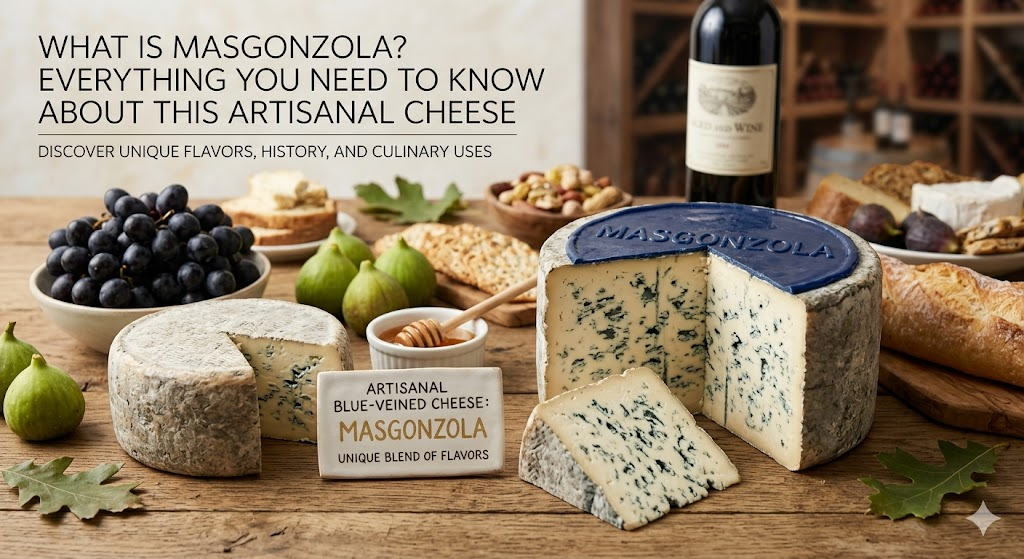
If you love exploring new flavors, you have probably stumbled across the term Masgonzola. While it sounds like a fancy Italian term, it is actually a wonderful, artisanal blue-veined cheese that is perfect for any food lover. Many people are just starting to discover the rich history and unique taste that makes this cheese so special.
Whether you are a casual snacker or a home chef, understanding what makes this cheese stand out is a great way to elevate your next meal. Let’s dive into what makes masgonzola a must-try for your kitchen and your next party platter!
What Exactly Is Masgonzola?
At its core, masgonzola is a semi-soft blue-veined cheese. It is famous for its creamy, smooth texture and its bold, tangy flavor profile. Think of it as a cousin to other classic blue cheeses, but with a character all its own. It uses traditional methods that focus on high-quality ingredients, making it a favorite for those who value authentic, small-batch food products. Many people who enjoy blue cheeses find this version to be the perfect balance of punchy flavor and buttery goodness.
A Quick Look at Its History
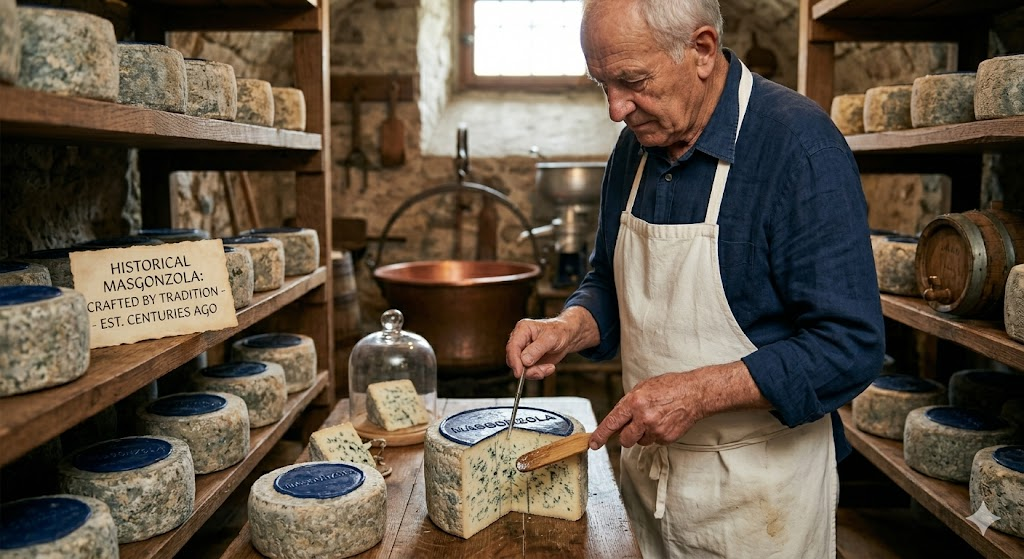
The history of this cheese is deeply tied to old European traditions. For hundreds of years, local dairy farms have used special techniques to protect their milk and create unique flavors. Unlike mass-produced items, masgonzola is often crafted by artisans who watch over every step of the process. From the initial milk preparation to the final aging, these experts ensure that every wheel meets high standards. It is this dedication to heritage that gives the cheese its distinct, earthy tones and reliable quality.
Key Characteristics of Masgonzola
What makes this cheese look and taste the way it does? First, it has a beautiful pale yellow or ivory interior with striking green or blue veins. These veins grow naturally during the aging process, giving it that iconic “blue cheese” look. The texture is soft enough to spread on a cracker but firm enough to slice for a board. As it ages, the flavor gets sharper and more intense, while younger versions remain mild and smooth. It really is a versatile delight for your taste buds!
The Unique Production Process
The way this cheese is made is quite interesting. It starts with fresh cow’s milk, though some artisanal variations might use a blend of goat and cow milk for extra richness. Cheesemakers introduce specific bacterial cultures and rennet to start the curdling process. Once the curds form, they are carefully molded and brined. The secret lies in the inoculation with specific molds, which create those famous blue veins. This process requires patience, as the cheese needs time to age before it reaches the perfect flavor balance.
Nutritional Benefits
Beyond being delicious, masgonzola can be a great addition to a healthy diet when eaten in moderation. It is packed with high-quality protein, which helps keep you feeling full. It also contains essential minerals like calcium, which is great for your bones. Since it is low in carbohydrates, it fits well into many different eating styles. Just keep in mind that like most gourmet cheeses, it is rich in fats and sodium, so it is best enjoyed as a tasty treat or a small part of a balanced meal.
How to Serve It at Home
Serving this cheese is simple! Because it is so creamy, it pairs wonderfully with crunchy elements like walnuts, crackers, or fresh bread. If you want to impress your guests, try adding a drizzle of honey or some fresh grapes to your cheese board. The sweetness of the honey balances the tangy “bite” of the masgonzola perfectly. Whether you are hosting a big party or just having a quiet night in, it is an easy way to add a touch of elegance to your snacks.
Using It in Your Favorite Recipes
You don’t have to eat this cheese by itself to enjoy it. It is a fantastic secret ingredient for cooking! Because it melts so easily, it adds a luxurious, creamy texture to pasta sauces, risottos, and even pizzas. If you want to try something new, mix a little bit into a potato salad or use it to top a steak. It adds a gourmet touch that makes simple home-cooked meals feel like something you would order at a fancy restaurant.
Comparing Variations
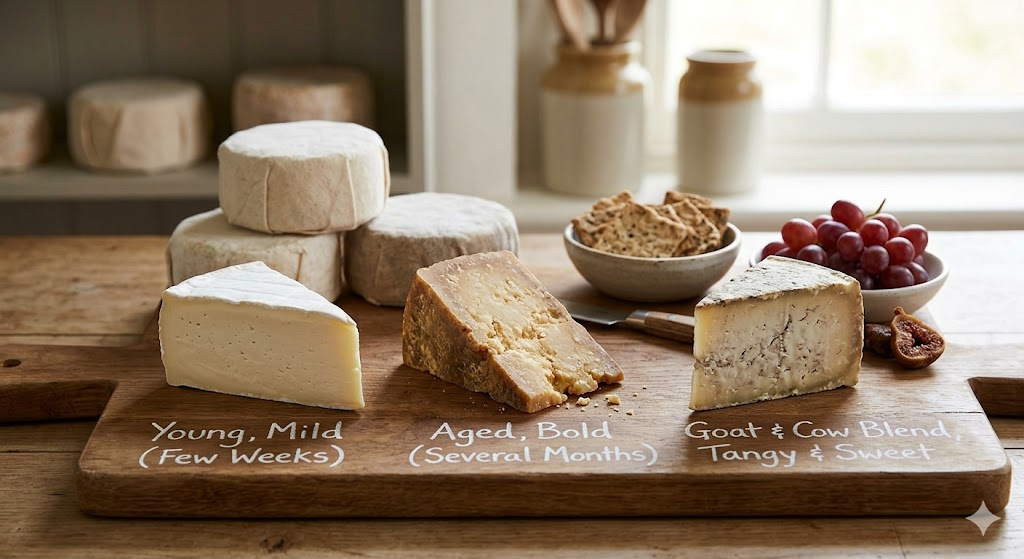
There are a few different types you might see in stores. The “young” version is aged for only a few weeks and is very mild. If you prefer a stronger, bolder flavor, look for an “aged” variety that has been kept for several months. Some producers also experiment by blending different types of milk, like goat and cow, to create sweet and tangy notes. It is fun to try different varieties and see which one becomes your personal favorite for cooking or snacking.
Tips for Storing Your Cheese
To keep your cheese fresh, you should store it properly in your refrigerator. Wrap it loosely in parchment paper or wax paper, then place it in a container. This allows the cheese to “breathe” without drying out. Try to take it out of the fridge about thirty minutes before you plan to eat it. Letting it sit at room temperature helps the flavors bloom and makes the texture extra creamy and soft, just the way it was meant to be enjoyed!
Why It Is a Global Favorite
Even though its roots are in traditional techniques, masgonzola is becoming popular all over the world. People love it because it represents a bridge between old-world craftsmanship and modern taste. It is not just about the cheese itself; it is about the experience of eating something made with care. As more people discover its creamy, tangy goodness, it is quickly finding a place in kitchens and restaurants everywhere, proving that great cheese never goes out of style.
Frequently Asked Questions
1. Is masgonzola the same as Gorgonzola?
They are very similar! Both are blue-veined cheeses, but they have slight differences in production and flavor intensity. Many people use them interchangeably in recipes.
2. How long can I keep masgonzola in the fridge?
Generally, it is best to consume it within one to two weeks of opening. Always check the label for specific expiration dates provided by the producer.
3. Is the rind of the cheese edible?
Yes, in most cases, the rind of this type of artisanal cheese is completely safe and edible, though some prefer to trim it if it is too firm.
4. What is the best wine to pair with this cheese?
Sweet wines, such as Port or Moscato, pair beautifully with the tangy, salty notes of this blue cheese, creating a perfect flavor balance.
5. Can I freeze this cheese?
You can freeze it, but note that the texture may change and become crumbly. It is best used for cooking (like melted in sauces) rather than snacking after freezing.
6. Where can I buy authentic masgonzola?
Check your local gourmet grocery store or specialty cheese shops. Many high-end supermarkets also carry artisanal blue cheeses in their deli section.
Conclusion
Masgonzola is more than just a cheese; it is an experience for your taste buds! Whether you are a fan of bold, tangy flavors or creamy textures, it offers something for everyone. We hope this guide helps you feel more confident in picking, serving, and cooking with this delicious treat. Why not grab a wedge this weekend and see for yourself why it is becoming a must-have for so many kitchens? Let us know in the comments how you choose to enjoy your favorite blue cheese.