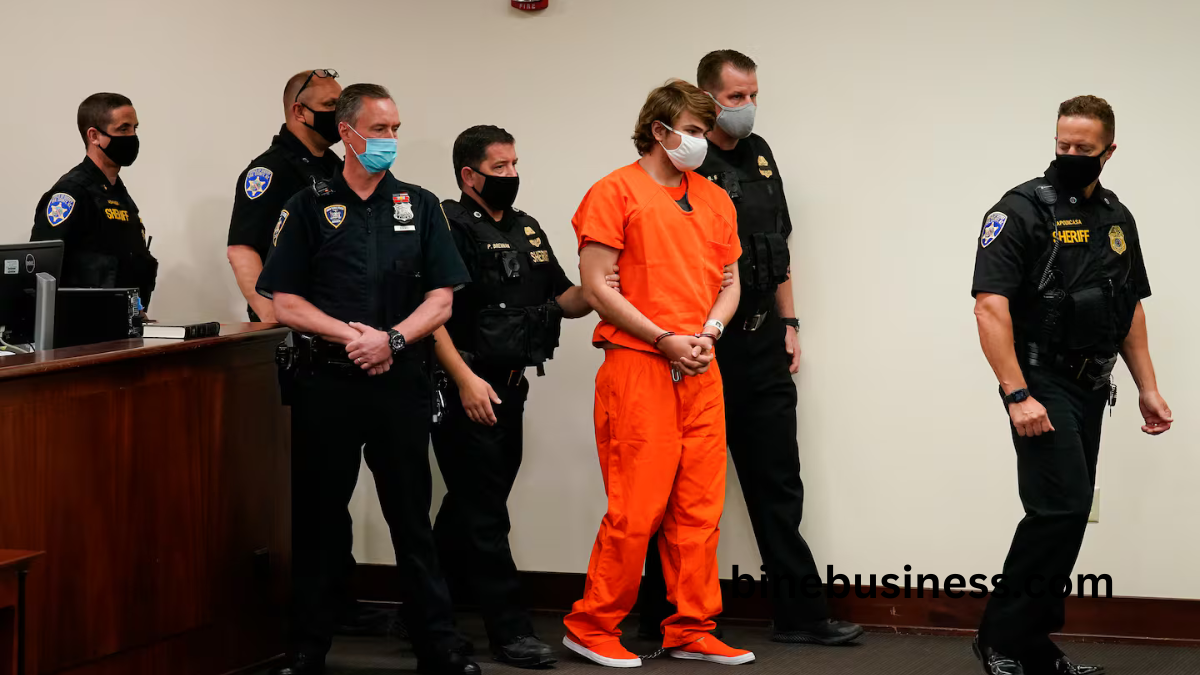
Payton Gendron became widely known after his involvement in a mass shooting that drew national and international attention. The case quickly moved beyond local tragedy and became part of broader discussions around extremism, hate crimes, gun control, and online radicalization. Understanding the context of the incident requires looking at both the event itself and the legal consequences that followed.
The attention surrounding this case stems from its scale and the nature of the allegations. Law enforcement agencies, media outlets, and policymakers examined the background of the accused and the factors that may have contributed to the attack. Public debate intensified as details emerged through investigations and court proceedings.
This case also highlighted concerns about digital platforms and how extremist ideas can spread online. Many analysts pointed to online activity as part of the broader investigation. As information became public, communities sought answers about prevention, accountability, and justice.
Overall, the introduction to this case sets the stage for deeper analysis of events, legal actions, and societal impact.
Background and Early Life
Reports about the early life of Payton Gendron show that investigators examined his upbringing, education, and social interactions to understand possible influences. Background research often plays a key role in legal and psychological Payton Gendron evaluations of individuals involved in serious crimes.
Public records and media coverage indicate that authorities reviewed educational history and behavioral patterns. Such information is typically analyzed to determine whether warning signs existed before the incident. Experts often explore factors like social environment, online communities, and personal experiences to identify potential triggers.
Another major area of interest in this case involved Payton Gendron digital activity. Investigators reported that online platforms were reviewed for statements, posts, or content that could indicate radical beliefs. This aspect became central to discussions about monitoring extremism without infringing on privacy rights.
Understanding background factors does not excuse criminal actions. Instead, it helps researchers, policymakers, and law enforcement identify prevention strategies. By analyzing past behavior and influences, authorities aim to reduce the likelihood of similar incidents happening again.
The Buffalo Shooting Incident
The incident associated with Payton Gendron occurred in Buffalo, New York, and resulted in multiple fatalities and injuries. The event took place at a local supermarket and quickly became a major news story across national media outlets.
According to official reports, emergency responders arrived at the scene shortly after the attack began. Law enforcement secured the location Payton Gendron and initiated an immediate investigation. Witness accounts and surveillance footage were collected to reconstruct the sequence of events. These materials later became part of court evidence.
The impact on the local community was profound. Families lost loved ones, and residents expressed shock and grief over what happened. Community leaders Payton Gendron organized vigils and public statements calling for unity and support for affected families. The emotional consequences extended beyond the immediate victims.
Media coverage expanded the discussion to broader social issues. Analysts debated whether the attack reflected isolated behavior or part of larger extremist trends. The incident also sparked renewed conversations about public safety and preventive measures.
Investigation and Legal Proceedings
After the incident, authorities arrested Payton Gendron and formally charged him under state and federal laws. The investigation involved coordination between local police, federal agencies, and prosecutors to gather evidence and build a legal case.
Charges included multiple counts related to homicide and allegations involving hate crime statutes. Prosecutors reviewed digital records, written statements, and forensic evidence to establish motive and intent. Court hearings followed established legal procedures to ensure due process.
During legal proceedings, defense representation and prosecution arguments were presented before the court. Plea discussions and trial developments received significant public attention. The judicial system evaluated evidence carefully before issuing rulings.
Ultimately, sentencing reflected the severity of the charges and legal findings. The case demonstrated how serious criminal actions are handled through formal legal frameworks. It also reinforced the role of courts in addressing crimes that carry broader social implications.
Public Reaction and Social Impact
Public reaction to the actions of Payton Gendron included widespread condemnation from political leaders, community organizations, and advocacy groups. Many emphasized the importance of addressing hate-driven violence and strengthening community resilience.
The incident intensified national debates about gun regulations and online radicalization. Policymakers discussed potential legislative responses aimed at preventing similar attacks. Social media companies also faced scrutiny regarding content moderation and platform accountability.
Communities across the country held memorial events to honor the victims. These gatherings focused on remembrance and support for affected families. Activists used the moment to call for policy reforms and improved monitoring systems.
The broader impact of the case continues to influence discussions about public safety. It serves as a reminder of how single events can shape policy debates and social awareness for years.
Broader Implications of the Case
The case involving Payton Gendron has contributed to ongoing conversations about extremism and prevention strategies. Researchers examine how individuals develop harmful ideologies and how communities can intervene early.
Online platforms became a focal point in analyzing radicalization pathways. Experts recommend stronger reporting systems, transparent moderation policies, and collaboration between technology companies and law enforcement. These measures aim to reduce exposure to violent content.
Law enforcement agencies have also reviewed training protocols and threat detection systems. Early identification of warning signs is now considered essential for prevention. Policy discussions continue to evolve as new research and technological tools emerge.
Beyond legal consequences, the case influences public discourse about responsibility and accountability. It highlights the need for cooperation between communities, governments, and digital platforms to reduce risk factors.
Conclusion
The story surrounding Payton Gendron remains significant because of its legal, social, and policy implications. The events triggered national reflection on hate crimes, public safety, and online influence.
Legal proceedings followed established judicial processes, ensuring accountability under the law. At the same time, communities continue to heal and seek solutions to prevent similar tragedies.
The case stands as a reference point in discussions about prevention, monitoring, and collective responsibility. Its impact extends beyond the courtroom into broader conversations about safety and social awareness.
FAQs
What incident is associated with Payton Gendron?
He was involved in a mass shooting in Buffalo that resulted in multiple casualties.
What charges were filed in the case?
He faced state and federal charges, including allegations related to homicide and hate crimes.
What was identified as a possible motive?
Authorities described the attack as racially motivated based on investigative findings.
How did the legal system handle the case?
The case went through arrest, investigation, court hearings, and sentencing under established legal procedures.
Why did the case receive widespread attention?
It sparked national debate on extremism, gun laws, and online radicalization, making it widely discussed in public policy conversations.
Also Read: la grande oregon