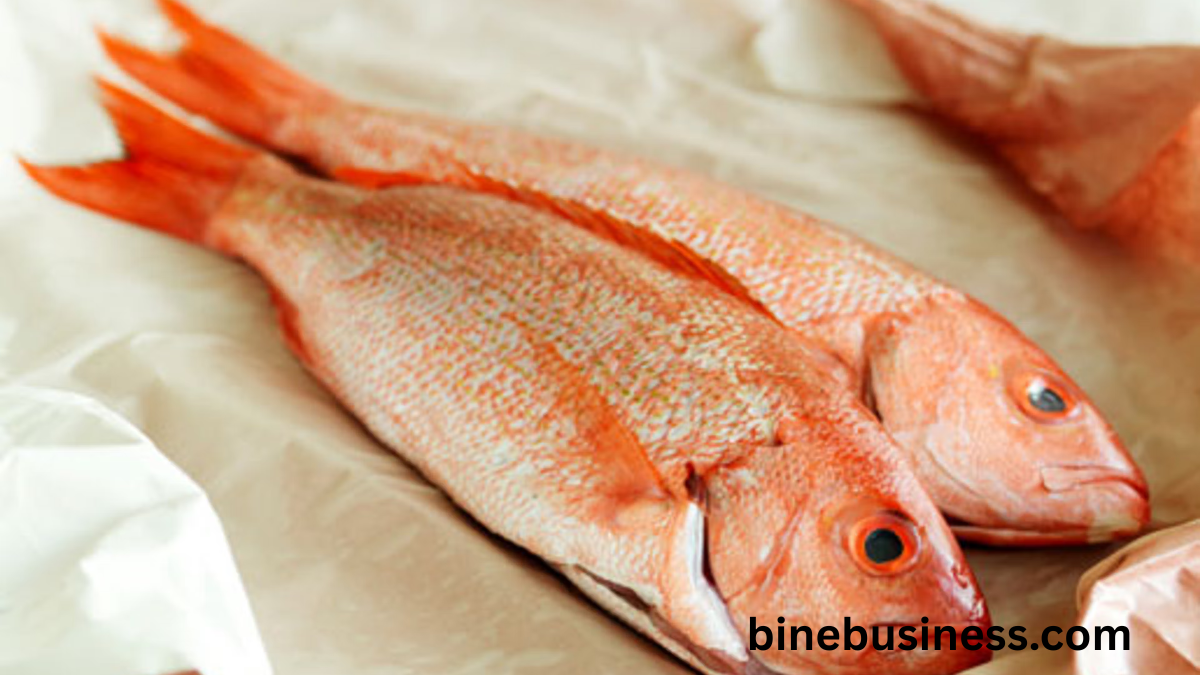
Red snapper is one of the most popular and widely enjoyed seafood options across the globe. Known for its mild taste, firm texture, and versatility in cooking, it has become a favorite choice for home cooks and professional chefs alike. You will often find it featured in restaurant menus, coastal cuisines, and healthy meal plans because it balances flavor with nutrition. Its bright red skin and white flaky meat make it easy to recognize and highly appealing on the plate.
This fish is commonly found in warm coastal waters, especially in the Gulf of Mexico, the Atlantic Ocean, and parts of the Caribbean and Pacific regions. Fishermen value it for its steady demand and commercial importance. Red snapper thrives in reef environments and rocky underwater areas where it feeds on smaller fish and crustaceans. Because of its popularity, sustainable fishing practices are important to maintain healthy populations and protect marine ecosystems.
Another reason red snapper stands out is its adaptability in cooking methods. You can grill it, bake it, fry it, or steam it without losing its natural flavor. Whether prepared with simple seasoning or complex spices, it absorbs flavors beautifully. This makes it a great ingredient for different cuisines around the world. Its combination of taste, availability, and nutritional value makes a top choice for seafood lovers.
Nutritional Value and Health Benefits of Red Snapper
Red snapper offers impressive nutritional benefits that support a healthy lifestyle. It is rich in high-quality protein while being relatively low in calories and fat. Protein plays a key role in building and repairing muscles, maintaining strong bones, and supporting overall body functions. Including red snapper in your diet helps you meet daily protein requirements without consuming heavy or processed foods.
In addition to protein, red snapper contains important vitamins and minerals such as vitamin D, vitamin B12, selenium, and potassium. Vitamin D supports bone strength and immune function, while vitamin B12 helps maintain healthy nerve cells and red blood cell production. Selenium acts as a powerful antioxidant that protects cells from damage. Potassium contributes to proper heart function and regulates blood pressure. These nutrients together make a smart choice for balanced nutrition.
Another major benefit of red snapper is its content of omega-3 fatty acids. Omega-3 fats are known for promoting heart health, reducing inflammation, and supporting brain function. Regular consumption of omega-3 rich foods may lower the risk of cardiovascular diseases and improve cognitive performance. Because provides these healthy fats naturally, it fits well into heart-friendly and weight management diets. Adding it to your meals a few times per week can significantly improve overall wellness.
Cooking Methods and Popular Red Snapper Recipes
Red snapper is highly versatile when it comes to cooking methods. Grilling is one of the most popular ways to prepare it because the heat enhances its natural flavors while keeping the meat moist. When grilling, you can season the fish with lemon, garlic, herbs, and olive oil to create a delicious smoky taste. Cooking it over medium heat ensures the flesh remains tender and does not dry out.
Baking red snapper in the oven is another easy and healthy option. This method allows the fish to cook evenly while absorbing spices and marinades. Many people wrap it in foil with vegetables and herbs to lock in moisture and enhance flavor. Baking at the right temperature preserves its soft texture and makes cleanup simple. It is perfect for quick family dinners or meal preparation.
Pan-frying and steaming are also common techniques. Pan-frying creates a crispy outer layer while keeping the inside juicy. Using a light coating of flour or seasoning before frying improves texture and taste. Steaming is ideal for people who prefer low-fat cooking. It preserves nutrients and keeps the natural flavor intact. Red snapper works well in international dishes such as spicy Asian-style preparations, Mediterranean herb blends, and Caribbean-inspired recipes, making it a global favorite.
Buying, Storage, and Sustainability Tips
When buying red snapper, freshness is extremely important. Fresh fish should have clear eyes, bright red skin, and a mild ocean smell. The flesh should feel firm and bounce back when touched. Avoid fish with dull coloring, strong unpleasant odor, or soft texture. If buying fillets, look for moist meat without discoloration or dryness.
You can choose between fresh and frozen red snapper depending on availability and convenience. Frozen options are often flash-frozen shortly after being caught, helping preserve quality and nutrients. Proper storage is essential to maintain freshness. Keep fresh fish in the refrigerator and consume it within one to two days. Frozen red snapper should remain stored at a stable freezing temperature and thawed safely before cooking.
Sustainability is another key factor to consider. Overfishing can impact marine ecosystems and fish populations. Look for certifications or labels that indicate responsible fishing practices. Supporting sustainable seafood suppliers helps protect ocean resources for future generations. Market prices may vary depending on location, season, and supply demand, but investing in quality and responsibly sourced fish ensures better taste and environmental protection.
Red Snapper in Different Cuisines and Culture
Red snapper plays an important role in many global cuisines. In Asian cooking, it is often steamed with ginger, scallions, and soy sauce to create a light and flavorful dish. This preparation highlights the natural taste of the fish while adding aromatic ingredients. It is commonly served during celebrations and family gatherings.
In Mediterranean cuisine, red snapper is frequently baked with olive oil, tomatoes, olives, and fresh herbs. These ingredients complement its mild flavor and create a balanced meal rich in healthy fats and nutrients. The combination of seafood and fresh produce reflects traditional coastal cooking styles.
Caribbean recipes also showcase red snapper in spicy and bold flavors. It may be grilled or fried and served with rice, beans, and plantains. The use of chili, garlic, and tropical spices gives it a unique taste experience. Different regions adapt red snapper to their local ingredients and traditions, proving its versatility and cultural importance worldwide.
Conclusion
Red snapper stands out as a nutritious, delicious, and adaptable seafood option suitable for many cooking styles. Its high protein content, essential vitamins, and heart-friendly omega-3 fatty acids make it beneficial for overall health. Whether grilled, baked, fried, or steamed, it delivers rich flavor and satisfying texture.
Choosing fresh fish, practicing proper storage, and supporting sustainable sourcing help you enjoy red snapper responsibly. With its presence in global cuisines and growing popularity, it remains a reliable choice for both everyday meals and special occasions. Adding red snapper to your diet can enhance both taste and nutrition in a simple and effective way.
FAQs
What does red snapper taste like?
Red snapper has a mild, slightly sweet flavor with firm and flaky texture.
Is red snapper healthy to eat regularly?
Yes, it is rich in protein, omega-3 fats, and essential vitamins that support overall health.
How do you cook red snapper perfectly?
It can be grilled, baked, fried, or steamed while keeping seasoning simple to preserve flavor.
Where can I buy fresh red snapper?
You can find it at seafood markets, supermarkets, and trusted online seafood suppliers.
Is red snapper sustainable seafood?
It can be sustainable when sourced from responsible fisheries with proper certifications.
Also Read: tahinle