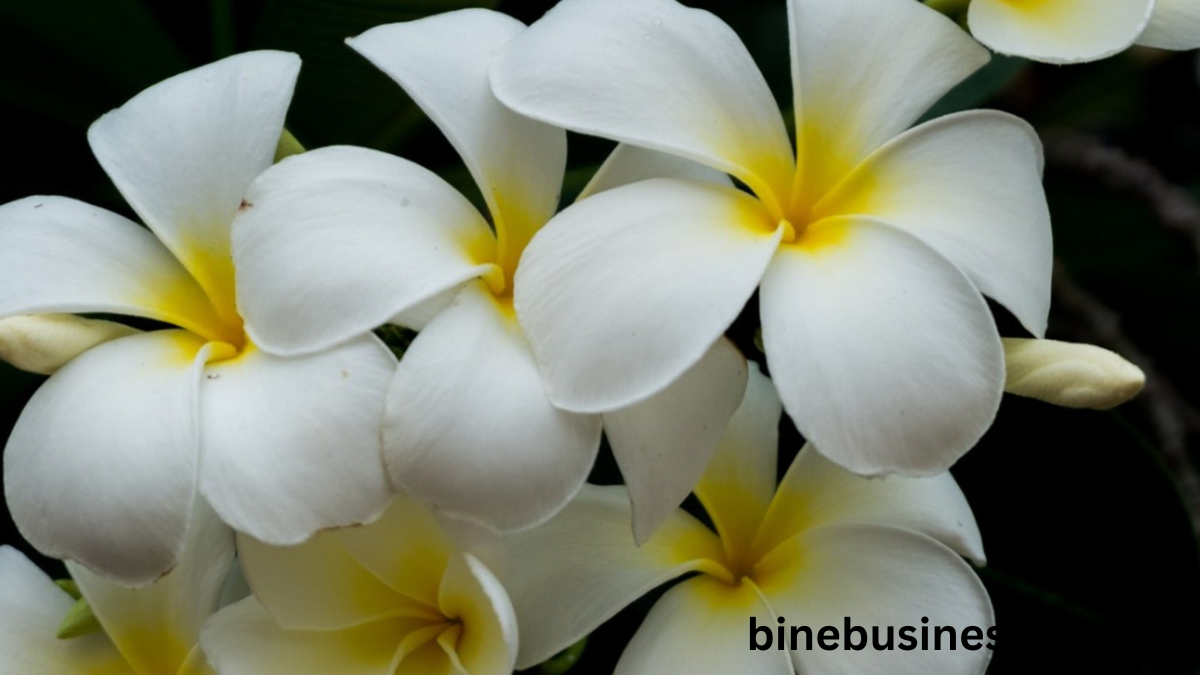
Plumeria is one of the most loved tropical flowering plants across the world. Its beautiful, colorful blossoms and rich fragrance make it a favorite choice for home gardens, parks, and landscape designs. The plant is often associated with warm climates and exotic destinations. Many people recognize it from flower leis, temple decorations, and resort gardens. Its elegance and simplicity make it stand out among other ornamental plants.
Originally native to tropical regions of the Americas, Plumeria has spread to Asia, the Pacific islands, and other warm areas because of its charm and adaptability. Gardeners appreciate it for its low maintenance requirements and long blooming season. When grown under proper conditions, it produces clusters of vibrant flowers in shades like white, pink, yellow, red, and mixed colors. These blooms not only enhance the beauty of a space but also attract pollinators such as butterflies.
Beyond its appearance, Plumeria also holds cultural and symbolic meaning in many societies. In several countries, it represents love, peace, and spirituality. Its fragrance is used in perfumes and essential oils. Because of its versatility and aesthetic value, Plumeria continues to be a popular plant choice for both beginners and experienced gardeners.
Types and Varieties of Plumeria
Plumeria comes in different species and hybrid varieties, each offering unique flower colors and growth habits. Some species grow tall and tree-like, while others remain compact and suitable for pots. Hybrid varieties are especially popular because they produce striking color combinations and stronger blooms.
One of the most common types is Plumeria rubra, known for its vibrant flowers and wide color range. Another popular species is Plumeria obtusa, which typically produces white flowers and has glossy green leaves. Hybrid varieties are created by cross-breeding different species to achieve improved fragrance, color patterns, and disease resistance. Garden centers often sell named hybrids that are carefully cultivated for specific traits.
Dwarf varieties are ideal for small gardens, balconies, and indoor spaces. These compact plants require less space but still produce beautiful flowers. Tall varieties, on the other hand, are suitable for open landscapes and large garden areas. Some varieties are known for strong fragrance, while others focus more on visual appeal.
Choosing the right variety depends on climate, available space, and personal preference. Gardeners should consider sunlight exposure and maintenance requirements before selecting a type. With so many options available, there is always a Plumeria variety that fits different gardening needs and styles.
Growing Conditions and Planting Guide
Plumeria thrives in warm climates with plenty of sunlight. It prefers temperatures above 60°F and grows best in tropical or subtropical regions. Cold weather can damage the plant, so protection is necessary in areas with frost. Proper growing conditions play a major role in healthy development and blooming.
Soil preparation is very important for successful growth. Plumeria needs well-draining soil to prevent root rot. A mix of garden soil, sand, and organic compost works well. Good drainage ensures that excess water does not remain around the roots. When planting in pots, containers must have drainage holes to allow water to escape easily.
Sunlight is essential for flower production. Plumeria requires at least six hours of direct sunlight daily. Without sufficient light, the plant may grow leaves but produce fewer flowers. Watering should be moderate. During active growth seasons, regular watering helps development, but overwatering can cause serious damage.
Plumeria can be planted directly in the ground or grown in pots. In gardens, it should be placed in a location with enough space for its root system and canopy to expand. In containers, choosing the right pot size is important for stability and root growth. The best time to plant Plumeria is during warm seasons when the plant can establish roots quickly.
Spacing also matters if multiple plants are grown together. Proper distance between plants improves air circulation and reduces the risk of fungal infections. With correct planting techniques, Plumeria establishes strong roots and produces healthy blooms.
Care and Maintenance of Plumeria
Regular care ensures that Plumeria stays healthy and blooms consistently. Watering should follow a balanced schedule. During the growing season, the plant needs consistent moisture but not excessive water. In dormant periods, watering should be reduced significantly to prevent root problems.
Fertilization supports strong growth and flower production. A balanced fertilizer with higher phosphorus content encourages blooming. Applying fertilizer every few weeks during active growth improves plant strength and flower quality. Organic compost can also enhance soil nutrition naturally.
Pruning is another important maintenance task. Removing dead branches and trimming overgrown stems promotes better airflow and encourages new growth. Pruning also helps shape the plant and improve its appearance. It is best done during the dormant season or after flowering.
Pest and disease control is necessary for long-term health. Common pests include aphids, spider mites, and mealybugs. Regular inspection helps detect infestations early. Natural insecticides or neem oil can effectively control pests. Root rot is a common problem caused by overwatering, so proper drainage is essential.
During winter, Plumeria may enter dormancy. In cold regions, it should be protected from frost and stored indoors if grown in pots. Repotting every few years helps refresh the soil and support root expansion. Proper care practices ensure that the plant remains vibrant and productive.
Propagation Methods for Plumeria
Plumeria can be propagated through cuttings or seeds. Propagation through cuttings is the most common and reliable method. A healthy branch is cut, allowed to dry for a few days, and then planted in well-draining soil. Roots develop over time, and new growth appears.
Growing Plumeria from seeds is another option, but it takes longer to produce flowers. Seed-grown plants may show variation in flower color and traits because they inherit characteristics from parent plants. This method is often used by breeders who want to create new hybrid varieties.
Rooting cuttings requires proper technique. The cutting should be taken from a mature plant and allowed to form a protective callus before planting. Avoid watering immediately after planting to prevent rot. Placing the cutting in a warm and sunny location improves rooting success.
Common mistakes during propagation include overwatering and planting cuttings too deep. Patience is essential because flowering may take one to three years depending on growth conditions. Successful propagation allows gardeners to multiply their favorite Plumeria plants easily.
Common Problems and Solutions
Plumeria may face several growth challenges. Yellow leaves often indicate nutrient deficiency or improper watering. Adjusting fertilizer and improving drainage usually solves this issue. Monitoring soil conditions helps maintain plant health.
Root rot is one of the most serious problems. It occurs when soil remains wet for too long. Preventing overwatering and ensuring proper drainage reduces the risk significantly. If detected early, affected roots should be removed, and the plant should be repotted in fresh soil.
Pest infestations can damage leaves and flowers. Regular inspection helps detect insects early. Natural remedies like neem oil or insecticidal soap effectively control most common pests. Keeping the plant clean and removing infected leaves also prevents spread.
Flower drop may happen due to sudden environmental changes or stress. Providing stable sunlight, temperature, and watering conditions minimizes this problem. Growth issues usually improve when care routines are adjusted properly.
Uses and Benefits of Plumeria
Plumeria is widely used for decorative purposes in gardens and landscapes. Its colorful flowers create a tropical atmosphere and enhance outdoor spaces. Many hotels and resorts use it as a signature ornamental plant.
The flowers are often used in floral arrangements and traditional leis. Their fragrance makes them suitable for ceremonies, celebrations, and religious events. In some cultures, Plumeria symbolizes devotion and spiritual connection.
The plant also has commercial value. Nurseries sell different varieties to meet demand from gardening enthusiasts. Its essential oil is used in perfumes and cosmetic products because of its pleasant scent.
Plumeria offers both aesthetic and economic benefits. It improves garden beauty while supporting local plant markets and floral industries.
Conclusion
Plumeria remains one of the most admired tropical plants because of its stunning flowers and fragrant blooms. With proper sunlight, well-draining soil, balanced watering, and regular maintenance, it grows into a beautiful and healthy plant. Understanding its varieties, propagation methods, and common problems helps gardeners achieve better results.
Whether planted in gardens or grown in pots, Plumeria adds charm and elegance to any space. Its long-lasting beauty and cultural importance make it a valuable addition to plant collections around the world.
FAQs
What is the best climate for growing Plumeria?
Plumeria grows best in warm tropical or subtropical climates with plenty of sunlight.
How often should Plumeria be watered?
Water regularly during growth but reduce watering during dormancy to prevent root rot.
Can Plumeria grow indoors?
Yes, if placed near a sunny window and provided with proper light and drainage.
Why is my Plumeria not flowering?
Lack of sunlight, insufficient fertilizer, or plant immaturity can reduce flowering.
How long does it take for Plumeria to bloom from cuttings?
It usually takes one to three years depending on growing conditions and care.
Also Read: red snapper