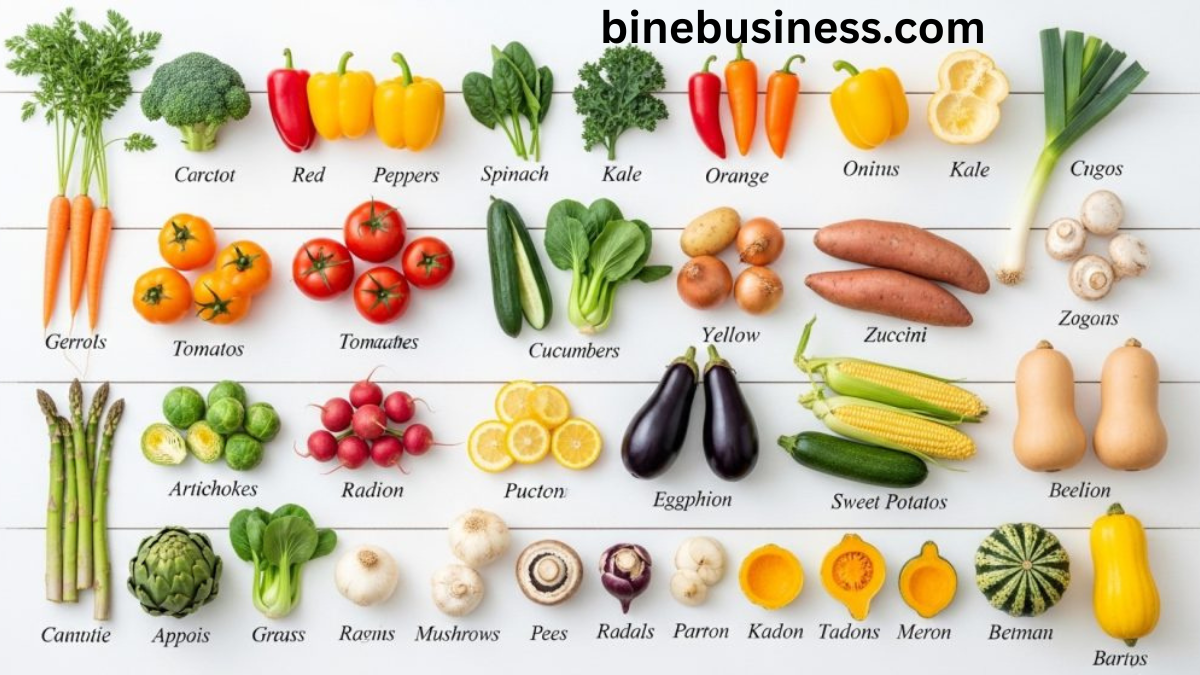
A Vegg List is more than just a simple grocery checklist. It is a structured way to organize plant based food choices that support balanced nutrition and healthy living. Many people want to shift toward vegetarian eating, but they feel confused about what foods to include. A clear veg list removes that confusion and makes meal planning simple.
Having a well planned list saves time and money. Instead of wandering through grocery aisles without direction, you know exactly what items to buy. It also reduces food waste because you purchase items with a purpose. When your kitchen is stocked with healthy options, preparing meals becomes easier and more enjoyable.
Another important benefit of following a Vegg List is improved nutrition. A balanced vegetarian diet should include vegetables, fruits, grains, legumes, dairy or plant based alternatives, nuts, and seeds. Each group provides essential vitamins, minerals, protein, and healthy fats. Without proper planning, some nutrients might be missing. A structured list helps maintain balance.
A Vegg List is useful for beginners and experienced vegetarians alike. It supports different lifestyle goals such as weight control, muscle building, or general wellness. By organizing food choices properly, you create consistency in your eating habits and improve long term health outcomes.
Categories in a Vegg List
Fresh Vegetables
Fresh vegetables form the foundation of any strong Vegg List. They provide fiber, vitamins, antioxidants, and essential minerals that support overall body function. Leafy greens like spinach and kale are nutrient rich and versatile. Root vegetables such as carrots, potatoes, and beetroot add variety and energy to daily meals.
Including seasonal vegetables in your list is a smart choice. Seasonal produce is usually fresher, more affordable, and more flavorful. It also supports local farmers and reduces environmental impact. When vegetables are fresh, they retain more nutrients and taste better in cooked or raw dishes.
Proper selection and storage of vegetables matter as well. Choose firm produce without visible damage or discoloration. Store them correctly to extend freshness. Planning different vegetable options each week prevents repetition and ensures that your meals remain interesting and balanced.
Fruits
Fruits are an essential part of a healthy Vegg List. They offer natural sugars, fiber, and powerful antioxidants that protect the body from disease. Common fruits like apples, bananas, oranges, and berries should be included for daily consumption. These fruits provide quick energy and improve digestion.
Exotic fruits can also add variety to your diet. Options such as mango, papaya, kiwi, and pomegranate introduce unique flavors and additional nutrients. Including different colors of fruits ensures that you get a wide range of vitamins and plant compounds.
Seasonal fruit selection is another important factor. Buying fruits in season improves quality and reduces cost. You can eat fruits as snacks, add them to smoothies, or use them in desserts. A well planned fruit section in your Vegg List makes healthy eating easier and more enjoyable.
Grains and Cereals
Grains and cereals provide energy and act as a primary source of carbohydrates in a vegetarian diet. Whole grains such as brown rice, oats, quinoa, and whole wheat are excellent choices for a balanced Vegg List. They contain fiber that supports digestion and keeps you full for longer periods.
Refined grains should be limited because they lack fiber and essential nutrients. Choosing whole grain alternatives improves overall health and supports stable blood sugar levels. Gluten free grains like millet and buckwheat can also be included for people with dietary restrictions.
Grains play a key role in meal preparation. They form the base of many dishes such as bowls, salads, and traditional recipes. Including a variety of grains in your Vegg List ensures diversity in texture and nutrition.
Legumes and Pulses
Legumes and pulses are powerful protein sources in a vegetarian diet. Lentils, beans, chickpeas, and peas provide plant based protein, fiber, iron, and other important nutrients. These foods help replace meat based protein while maintaining nutritional balance.
Adding legumes to your Vegg List improves muscle support and keeps you energized. They are affordable and easy to cook. You can prepare soups, curries, salads, and stews using different types of pulses.
Soaking and proper cooking improve digestion and nutrient absorption. Rotating different legumes throughout the week prevents monotony and increases dietary variety. This group is essential for anyone following a strong vegetarian lifestyle.
Protein Sources in a Vegg List
Protein is essential for muscle growth, tissue repair, and overall body maintenance. A good Vegg List should clearly highlight plant based protein sources. Nuts, seeds, legumes, soy products, and dairy alternatives contribute significantly to daily protein intake.
Nuts like almonds and walnuts provide healthy fats along with protein. Seeds such as chia seeds, flaxseeds, and sunflower seeds are nutrient dense and easy to add to meals. Soy based products like tofu and tempeh are excellent protein alternatives for meat.
Meeting daily protein requirements is possible with proper planning. Combining grains with legumes improves protein quality. For example, rice and lentils together create a complete protein profile. Including multiple protein sources ensures balanced nutrition and strength.
Healthy Additions to Your Vegg List
Nuts and Seeds
Nuts and seeds add nutrition, crunch, and healthy fats to your diet. Almonds, cashews, walnuts, chia seeds, and pumpkin seeds should be part of a comprehensive Vegg List. They provide omega 3 fatty acids, protein, fiber, and important minerals.
Daily consumption in moderate portions supports heart health and brain function. You can eat them as snacks, add them to salads, or mix them into smoothies. Because they are calorie dense, portion control is important.
Storing nuts and seeds properly prevents them from going rancid. Keep them in airtight containers and store them in cool places. Including them regularly improves nutritional value and taste.
Herbs, Spices, and Oils
Herbs and spices enhance flavor while offering health benefits. Common spices like turmeric, cumin, coriander, and ginger should appear in your Vegg List kitchen section. They contain anti inflammatory and antioxidant properties.
Healthy oils such as olive oil and coconut oil support cooking and nutrition. Using them in moderation improves absorption of fat soluble vitamins. Choosing high quality oils makes a difference in overall health.
These additions turn simple vegetarian dishes into flavorful meals. They help you avoid excessive salt or processed flavor enhancers.
Tips for Creating an Effective Vegg List
Planning is the key to success. Start by organizing your weekly meals and writing down required ingredients. This reduces unnecessary purchases and saves money.
Buying seasonal products improves affordability and freshness. Check local markets for better deals. Proper food storage also prevents spoilage and waste.
Avoid common mistakes such as ignoring protein sources or depending heavily on processed vegetarian food. Balance and variety should always guide your decisions.
Vegg List for Different Lifestyles
A Vegg List can be adjusted according to personal goals. For weight loss, focus on high fiber vegetables, fruits, and lean plant proteins. Reduce processed foods and control portion sizes.
For muscle gain, increase protein rich foods like legumes, tofu, dairy, and nuts. Combine them with strength training for better results.
Children need nutrient dense foods to support growth. Seniors benefit from easy to digest foods rich in calcium and fiber. Athletes require higher energy and protein intake. Customizing your list ensures better results for different needs.
Benefits of Following a Structured Vegg List
Following a structured list improves nutrition and simplifies meal preparation. It reduces confusion about what to cook each day.
It also helps control spending because you only buy necessary items. Over time, healthy habits become easier to maintain.
Consistency in food choices supports long term wellness. A well organized Vegg List creates balance in daily eating patterns.
Conclusion
A Vegg List is a practical tool for anyone who wants to follow a healthy vegetarian lifestyle. It organizes vegetables, fruits, grains, legumes, protein sources, and healthy fats into one clear plan. With proper planning, you improve nutrition and reduce food waste.
Whether your goal is weight management, muscle growth, or general health improvement, a structured list guides your choices. Balance, variety, and consistency make all the difference. Start building your own Vegg List today and enjoy the benefits of mindful eating.
Frequently Asked Questions (FAQs)
What is included in a Vegg List?
It includes vegetables, fruits, grains, legumes, nuts, seeds, and plant based or dairy alternatives.
How do I create a perfect Vegg List?
Plan meals in advance and include balanced food groups with protein and fiber sources.
Is a Vegg List suitable for weight loss?
Yes, when it focuses on high fiber foods, portion control, and healthy ingredients.
Can beginners follow a Vegg List easily?
Yes, it simplifies grocery shopping and meal planning for beginners.
Why is variety important in a Vegg List?
Variety ensures better nutrition, prevents boredom, and supports overall health.
Also Read: plumeria