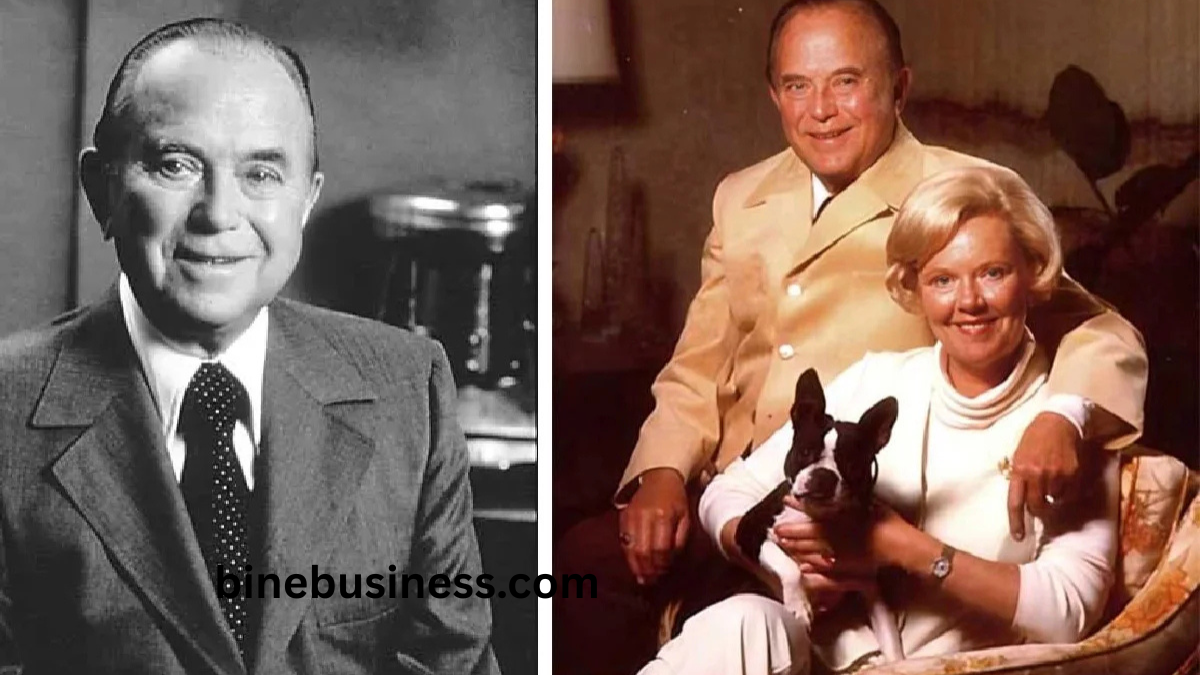
Ethel Kroc is remembered as more than just the spouse of the McDonald’s magnate John Kroc. Her life was a testament to generosity, dedication, and an unwavering commitment to philanthropy. While many recognize her name in association with her husband’s immense wealth, Ethel carved her own legacy through charitable works, social initiatives, and contributions that shaped communities across the United States. From funding community projects to supporting sports and educational programs, she utilized her position not merely for personal gain but for the benefit of countless individuals.
Her story resonates because it demonstrates how influence, when combined with compassion, can create long-lasting change. Unlike typical socialites who often remain behind the scenes, Ethel actively participated in decision-making for charitable foundations, ensuring that her contributions made tangible differences. In today’s society, where philanthropy often intersects with public relations, Ethel’s approach was refreshingly genuine and strategic. Her efforts went beyond writing checks—they created opportunities, inspired others to give, and left a blueprint for responsible giving. This article explores her early life, personal journey, philanthropic endeavors, and enduring impact.
Understanding Ethel Kroc’s life is more than studying history; it’s a lesson in empathy, strategy, and purpose. By examining her story, readers can appreciate how wealth and opportunity can be harnessed to uplift others and leave a meaningful legacy. Her life challenges modern philanthropists to not only donate but also actively participate in shaping projects that reflect their values and create lasting social change.
Early Life and Background
Ethel Kroc was born into a family that valued hard work and community. Growing up, she witnessed firsthand the struggles and triumphs of ordinary life, which instilled in her a strong sense of empathy and responsibility. Her early years were marked by experiences that shaped her perspective on wealth, privilege, and service. She developed an acute awareness of the disparities within society, which later influenced her philanthropic decisions. Education played a pivotal role in her upbringing, providing her with knowledge, confidence, and the ability to navigate both social and business environments effectively.
Her family background emphasized the importance of helping others, an ethos that remained central throughout her life. Even as a young woman, Ethel displayed a natural inclination toward service, whether through volunteering, mentoring, or contributing to local initiatives. These early experiences laid the foundation for a life dedicated to social impact. She learned to see beyond personal comfort, recognizing that wealth carried a responsibility to uplift those in need.
Education, relationships, and personal experiences intertwined to shape Ethel’s worldview. She observed not only the power of money but also the significance of intent and strategy in giving. Her formative years established principles she would carry into adulthood—principles that emphasized sustainable impact over temporary gestures, thoughtful engagement rather than passive charity, and the importance of leaving a legacy that transcends personal recognition.
Marriage and Personal Life
Ethel Kroc’s marriage to John Kroc was more than a union of two individuals; it was a partnership that combined influence, ambition, and shared philanthropic vision. While John’s business acumen created vast wealth, Ethel’s insight and compassion ensured that this wealth was directed meaningfully. Together, they became a team in philanthropy, balancing public visibility with strategic giving. Ethel’s personal values deeply influenced the couple’s charitable decisions, ensuring that their contributions reflected empathy, foresight, and societal benefit.
Family life played a central role in shaping Ethel’s priorities. While she navigated social circles and high-profile events, she remained grounded in the importance of purpose-driven work. Ethel viewed wealth not merely as a status symbol but as a tool to enact positive change. Her dedication to family and community reinforced her belief that lasting impact stems from relationships, mentorship, and collaboration. She exemplified a balance between personal fulfillment and societal responsibility, demonstrating that meaningful contribution requires both heart and strategic planning.
Her personal experiences also offered valuable lessons in resilience and adaptability. Managing public attention, balancing social expectations, and addressing philanthropic challenges required skill, patience, and foresight. Ethel Kroc’s life demonstrates that personal and professional roles can intersect effectively when guided by clear values. Her marriage, far from limiting her influence, served as a platform to amplify her philanthropic vision, leaving a lasting imprint on communities that benefited from their joint efforts.
Philanthropic Journey
Ethel Kroc’s philanthropic journey began with a clear understanding that generosity is most effective when aligned with tangible results. She focused on causes that had measurable impact, such as education, healthcare, and community development. Unlike superficial charity, her approach involved careful planning, engagement with beneficiaries, and monitoring outcomes to ensure resources created sustainable benefits. Her involvement went beyond financial contribution—she actively participated in initiatives, guided strategic decisions, and inspired others to join her mission.
One of her most notable areas of focus was sports and recreation. Recognizing that community spaces foster development, health, and unity, Ethel supported the construction of stadiums, community centers, and youth programs. These projects provided not only facilities but also opportunities for mentorship, leadership, and growth. Through these initiatives, she reinforced the idea that philanthropy should create long-term value, nurturing potential and empowering individuals rather than offering temporary relief.
Ethel Kroc also championed education as a cornerstone of societal progress. She contributed to scholarship programs, institutions, and innovative educational projects that aimed to expand access and opportunity. Her strategic approach emphasized equity and inclusivity, ensuring that her resources reached communities that often faced systemic barriers. By targeting education, sports, and community development, Ethel demonstrated a comprehensive understanding of social change, creating a multi-faceted philanthropic legacy that continues to inspire.
Connection with McDonald’s and Business Legacy
While John Kroc’s McDonald’s empire defined global business success, Ethel Kroc leveraged this platform to amplify her philanthropic vision. She recognized that the resources generated through business success could be redirected to social impact initiatives, setting an example of responsible wealth management. Her involvement in charitable projects reflected a sophisticated understanding of finance, strategy, and social responsibility.
The Kroc fortune enabled Ethel to fund large-scale projects with lasting societal value. However, she was selective, focusing on initiatives that aligned with her principles and promised tangible outcomes. By integrating philanthropy with business resources, she created a model for leveraging personal wealth to maximize community benefit. Her strategic approach demonstrated that philanthropy is not simply about giving, but about planning, oversight, and measurable outcomes.
Through her efforts, Ethel showed that business and charity could intersect effectively. She used her influence to inspire corporate partners, community leaders, and the public to contribute toward common goals. This fusion of business acumen and social consciousness ensured that her philanthropic impact was both significant and sustainable, leaving a blueprint for modern philanthropists seeking to combine wealth with purpose.
Recognition and Awards
Ethel Kroc’s contributions did not go unnoticed. She received numerous awards and recognitions, highlighting her commitment to societal improvement and philanthropic excellence. Media coverage frequently emphasized not only her wealth but her genuine dedication to social causes, distinguishing her from many contemporaries in philanthropy. Her recognition reinforced the notion that meaningful giving requires engagement, strategy, and empathy.
Beyond public accolades, the real measure of her success lay in the lives touched by her generosity. Schools, sports programs, and community initiatives bore the imprint of her vision, serving as enduring reminders of her commitment. Awards and honors validated her contributions, but the true legacy was evident in the tangible improvements to communities and individuals’ opportunities.
Ethel’s recognition also inspired others to consider how they might use their resources for broader impact. By celebrating her accomplishments, society acknowledged that philanthropy is a combination of passion, planning, and persistence. Her life serves as an example that recognition follows genuine effort and meaningful action, rather than simply wealth or social prominence.
Legacy and Continuing Impact
Ethel Kroc’s philanthropic footprint continues to resonate decades after her active involvement. Foundations, scholarships, and community projects she supported remain active, reflecting her commitment to sustainable impact. Her strategic focus ensured that these programs were resilient, capable of adapting to changing societal needs while preserving the original mission.
Her legacy extends beyond physical contributions. Ethel Kroc inspired a culture of intentional giving, where philanthropy is informed, participatory, and strategic. She challenged future generations to view wealth as a tool for empowerment rather than indulgence, emphasizing the importance of vision, planning, and empathy. The ongoing success of projects she initiated is a testament to her foresight and dedication.
Ethel Kroc’s life teaches that influence, when combined with a clear moral compass, can transform communities and inspire generations. Her story reminds us that philanthropy is not just about giving, but about creating systems and opportunities that endure, allowing future leaders and beneficiaries to continue the cycle of positive change.
Conclusion
Ethel Kroc’s life is a remarkable example of how wealth and opportunity can be used to make a lasting difference. Through thoughtful philanthropy, strategic planning, and personal dedication, she left an indelible mark on education, sports, and community development. Her legacy serves as an enduring lesson for individuals and organizations aiming to create meaningful impact. In studying her life, we are reminded that true philanthropy combines empathy, strategy, and action, ensuring that generosity leaves a tangible, lasting effect on society.
FAQs
Who was Ethel Kroc, and why is she famous?
Ethel Kroc was a philanthropist and the spouse of John Kroc, the McDonald’s magnate. She is known for her charitable work in education, sports, and community development.
What were the main causes supported by Ethel Kroc?
She primarily focused on education, healthcare, youth sports, and community development initiatives.
How did Ethel Kroc contribute to sports and community projects?
She funded stadiums, community centers, and programs designed to support youth development, health, and mentorship.
What awards and recognitions did Ethel Kroc receive?
She received national and international recognition for her philanthropic contributions, though her true impact is seen in the communities she supported.
How can modern philanthropists learn from Ethel Kroc’s life?
Modern philanthropists can emulate her approach by combining empathy with strategic planning, ensuring that donations create sustainable and meaningful impact.
Also Read: kelly baugher