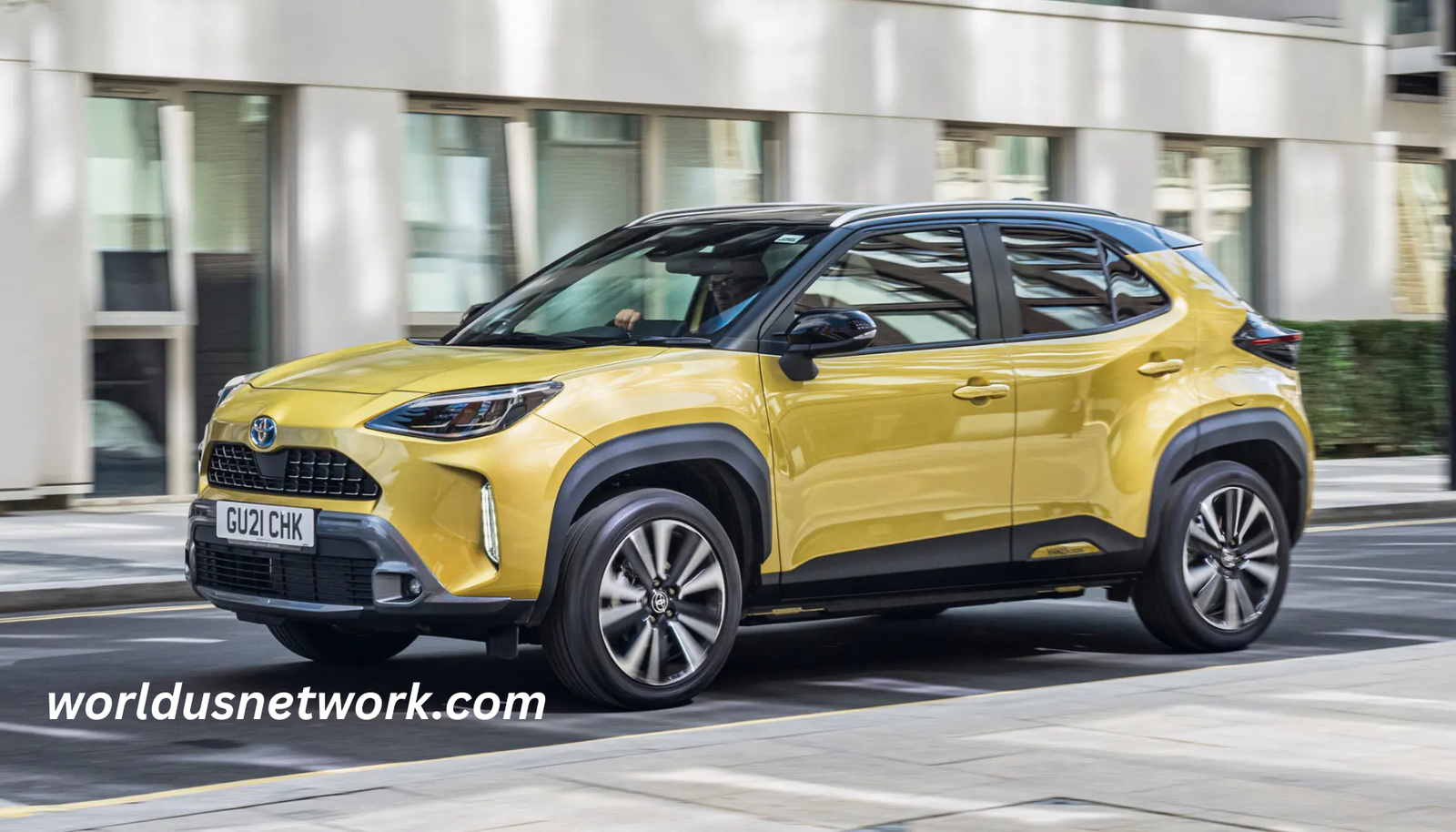
best crossovers SUVs have rapidly become one of the most popular vehicle categories in the modern automotive world, blending the best features of traditional sport utility vehicles and passenger cars. Built on a unibody platform similar to sedans, crossovers provide a smoother ride and better fuel efficiency compared to truck-based SUVs. This unique construction allows them to cater to a wide range of drivers—from urban commuters to small families seeking practicality without sacrificing comfort. As lifestyles evolve and cities become more congested, best crossovers have emerged as the go-to solution for versatile and efficient transportation.
Another major reason behind the surge in popularity of crossover SUVs is their adaptability. They offer elevated driving positions, improved visibility, and a sense of security that many drivers prefer over conventional cars. At the same time, they maintain a manageable size, making them easy to drive and park in crowded urban environments. Unlike bulky SUVs, best crossovers strike a balance between spacious interiors and compact exteriors, appealing to both young professionals and families alike.
The growing demand for crossovers is also fueled by advancements in automotive technology. Modern best crossovers come equipped with cutting-edge safety systems, infotainment features, and fuel-efficient engines, including hybrid and electric options. These innovations not only enhance the driving experience but also align with global trends toward sustainability and eco-conscious living. As a result, crossovers have firmly established themselves as a dominant force in the automotive market.
What Makes a Crossover “The Best”?
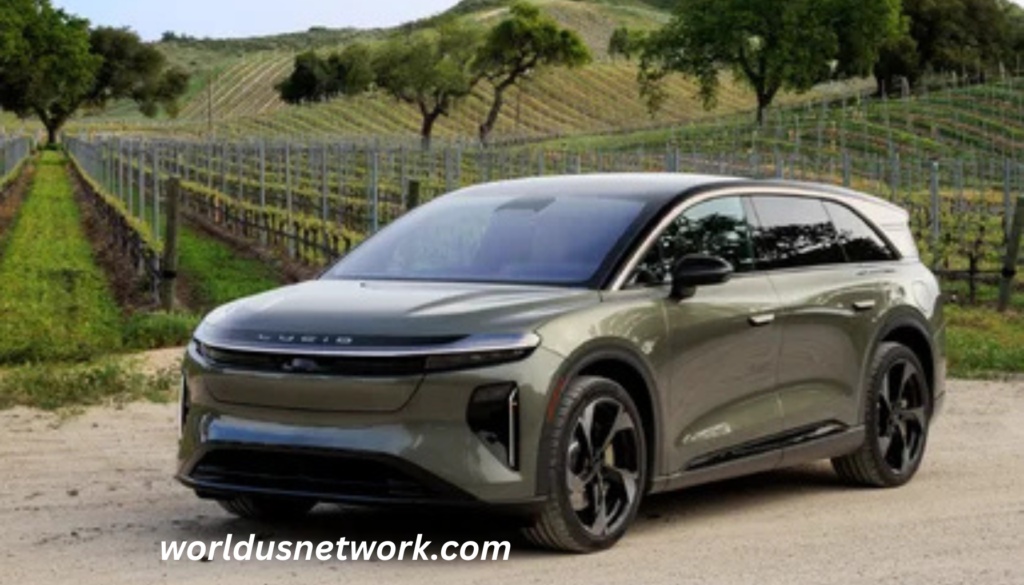
Determining the best crossover SUV involves evaluating several critical factors that influence performance, comfort, and overall value. One of the most important aspects is engine performance, which includes horsepower, torque, and acceleration. A good crossover should offer a balance between power and efficiency, ensuring a responsive driving experience without excessive fuel consumption. Additionally, modern buyers are increasingly drawn to hybrid and electric powertrains, which provide both environmental benefits and long-term cost savings.
Interior comfort and design also play a crucial role in defining the best crossover. High-quality materials, ergonomic seating, and ample legroom contribute to a pleasant driving and riding experience. Cargo space is equally important, especially for families or individuals who frequently travel with luggage. A well-designed crossover should offer flexible seating arrangements and sufficient storage capacity to accommodate various needs.
Safety and technology are equally vital when assessing crossover quality. Advanced driver-assistance systems such as adaptive cruise control, lane-keeping assist, and automatic emergency braking have become standard in many models. Infotainment systems with touchscreen displays, smartphone integration, and voice control further enhance convenience and connectivity. Ultimately, the best crossover is one that seamlessly combines performance, comfort, safety, and technology while offering good value for money.
Types of Crossovers
Crossover SUVs are available in various sizes and categories, each designed to meet specific consumer needs. Subcompact crossovers are ideal for city dwellers who prioritize maneuverability and fuel efficiency. These vehicles are easy to park and navigate through tight urban spaces, making them perfect for daily commuting. However, they may have limited cargo space and engine power, which can be a drawback for long trips or larger families.
Compact crossovers represent the most popular segment in the market, offering a balanced combination of size, performance, and affordability. They provide enough interior space for small families while maintaining good fuel efficiency and handling. This category often includes models with advanced safety features and modern infotainment systems, making them a practical choice for a wide range of buyers.
Midsize and luxury crossovers cater to those seeking more space and premium features. Midsize models often come with three rows of seating, making them suitable for larger families or group travel. Luxury crossovers, on the other hand, focus on high-end materials, superior comfort, and advanced technology. These vehicles offer a refined driving experience and are often equipped with powerful engines and cutting-edge innovations.
Best Crossovers by Category
The “best” crossover varies depending on individual preferences and priorities, which is why categorizing them helps buyers make informed decisions. The best overall crossover typically excels in multiple areas, including performance, comfort, safety, and reliability. These models appeal to a broad audience due to their versatility and well-rounded features.
Budget-friendly crossovers are designed for cost-conscious buyers who still want quality and functionality. These vehicles offer essential features at an affordable price, making them an excellent choice for first-time buyers or those looking to maximize value. Despite their lower price points, many budget crossovers still include modern safety and technology features.
Luxury and performance-oriented crossovers cater to niche markets with specific demands. Luxury models prioritize comfort, design, and advanced technology, while performance crossovers focus on powerful engines and sporty handling. Additionally, fuel-efficient and hybrid crossovers have gained popularity among environmentally conscious consumers, offering reduced emissions and lower running costs without compromising on performance.
Key Features to Look for When Buying a Crossover
When purchasing a crossover SUV, it is essential to consider key features that align with your needs and lifestyle. Engine type is a primary consideration, with options ranging from traditional petrol and diesel engines to hybrid and fully electric powertrains. Each type has its advantages, depending on factors such as fuel efficiency, environmental impact, and driving habits.
Another important factor is drivetrain configuration, such as front-wheel drive (FWD) or all-wheel drive (AWD). AWD systems provide better traction and stability, especially in challenging weather conditions, while FWD models are typically more fuel-efficient and affordable. Buyers should also evaluate infotainment systems, connectivity options, and user-friendly interfaces to ensure a seamless driving experience.
Safety features and interior practicality should not be overlooked. Advanced driver-assistance systems enhance safety and reduce the risk of accidents, while flexible seating arrangements and ample cargo space improve usability. Ultimately, choosing the right crossover involves balancing performance, comfort, technology, and budget to find a vehicle that meets your specific requirements.
Pros and Cons of Owning a Crossover
Crossover SUVs offer numerous advantages that make them a popular choice among drivers. One of the biggest benefits is their comfortable ride quality, which is superior to traditional SUVs due to their car-like construction. They also provide better fuel efficiency, making them more economical for daily use and long-distance travel. Additionally, crossovers are highly versatile, suitable for a wide range of activities, from commuting to family trips.
However, crossovers are not without their drawbacks. One limitation is their reduced off-road capability compared to traditional SUVs, which are built on more robust platforms. While some crossovers come with AWD systems, they are generally not designed for extreme terrain. This makes them less suitable for adventurous drivers who frequently venture off-road.
Another potential downside is the variation in performance across different models. Some crossovers may lack the power and acceleration desired by performance enthusiasts. Additionally, certain models can be relatively expensive, especially those with advanced features or luxury branding. Despite these drawbacks, the benefits of crossovers often outweigh their limitations for most consumers.
Crossovers vs Other Vehicle Types
Comparing crossovers with other vehicle types helps highlight their unique advantages. Unlike traditional SUVs, crossovers are built on a unibody platform, resulting in better handling and fuel efficiency. While SUVs may offer superior off-road capabilities, crossovers are more practical for everyday use, especially in urban settings.
When compared to sedans, crossovers provide higher ground clearance and more interior space. This makes them a better choice for families or individuals who require additional storage capacity. Hatchbacks, on the other hand, are often more compact and affordable but lack the versatility and elevated driving position offered by crossovers.
Ultimately, the choice between crossovers and other vehicle types depends on individual preferences and lifestyle needs. Crossovers stand out as a balanced option, offering a combination of comfort, practicality, and performance that appeals to a wide audience.
Future Trends in the Crossover Market
The future of crossover SUVs is shaped by rapid advancements in technology and changing consumer preferences. One of the most significant trends is the rise of electric crossovers, which offer zero emissions and lower operating costs. As governments and manufacturers focus on sustainability, electric models are expected to become more accessible and widespread.
Another key trend is the integration of smart technology and connectivity features. Modern crossovers are increasingly equipped with advanced infotainment systems, voice assistants, and over-the-air updates. These innovations enhance convenience and create a more personalized driving experience for users.
Autonomous driving technology is also set to play a major role in the evolution of crossovers. Features such as self-parking, adaptive cruise control, and semi-autonomous driving capabilities are already becoming common. As these technologies continue to develop, crossovers will become even safer and more efficient, further solidifying their position in the automotive market.
Conclusion
Crossover SUVs have revolutionized the automotive industry by offering a perfect blend of comfort, efficiency, and versatility. Their ability to cater to diverse needs—from city commuting to family travel—makes them an ideal choice for modern drivers. With continuous advancements in technology and design, crossovers are expected to remain a dominant force in the market.
FAQs
What is the difference between a crossover and an SUV?
Crossovers are built on a car-like platform, offering better fuel efficiency and comfort, while SUVs use a truck-based platform designed for off-road capability.
Are crossovers good for long-distance travel?
Yes, crossovers provide a comfortable ride, good fuel efficiency, and ample space, making them ideal for long trips.
Which crossover is best for families?
Midsize crossovers with three-row seating and advanced safety features are typically the best choice for families.
Are hybrid crossovers worth it?
Hybrid crossovers offer better fuel efficiency and lower emissions, making them a cost-effective and eco-friendly option.
Do crossovers have good resale value?
Yes, due to their high demand and versatility, many crossover models retain strong resale value.
Is AWD necessary in a crossover?
AWD is beneficial for driving in harsh weather or rough terrain, but it is not essential for everyday city driving.