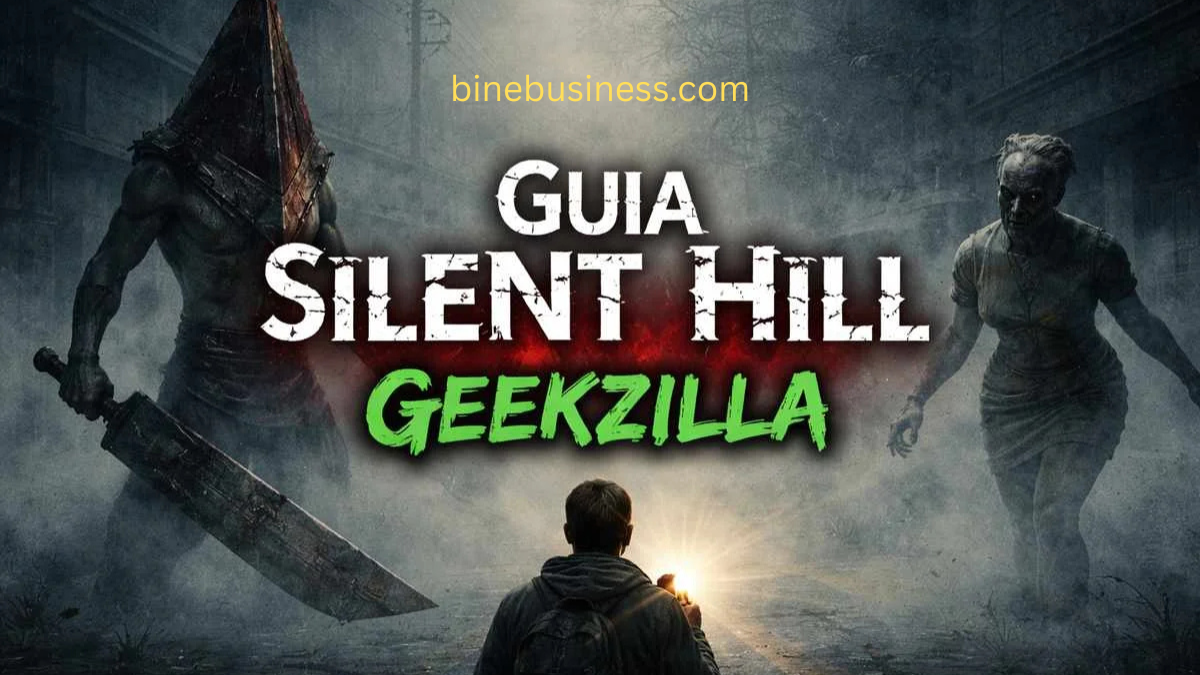
The phrase Guia Silent Hill Geekzilla has become increasingly popular among horror gaming fans who want a deep, structured, and easy-to-understand explanation of one of the most complex franchises in gaming history. This guide represents more than a simple walkthrough—it is a complete exploration of atmosphere, psychology, symbolism, and storytelling. For newcomers, it serves as an entry point into a confusing yet fascinating universe. For long-time fans, it works as a reference that connects hidden details, themes, and theories often overlooked during gameplay.
At the center of this guide is Silent Hill, a franchise known for redefining horror by shifting the focus from action to emotion and psychological fear. Unlike traditional horror games that rely on jump scares, Silent Hill unsettles players through silence, fog, distorted sounds, and deeply personal narratives. The Geekzilla-style approach breaks these elements down in a clear and engaging way, making the experience accessible without diminishing its depth.
This article aims to function as a complete informational resource. It explains the origins of the series, decodes its complex storylines, analyzes characters, and highlights gameplay mechanics. Whether you are researching for content creation, improving your understanding of horror game design, or simply curious about why Silent Hill is still discussed decades later, this guide provides a comprehensive foundation.
History and Evolution of Silent Hill
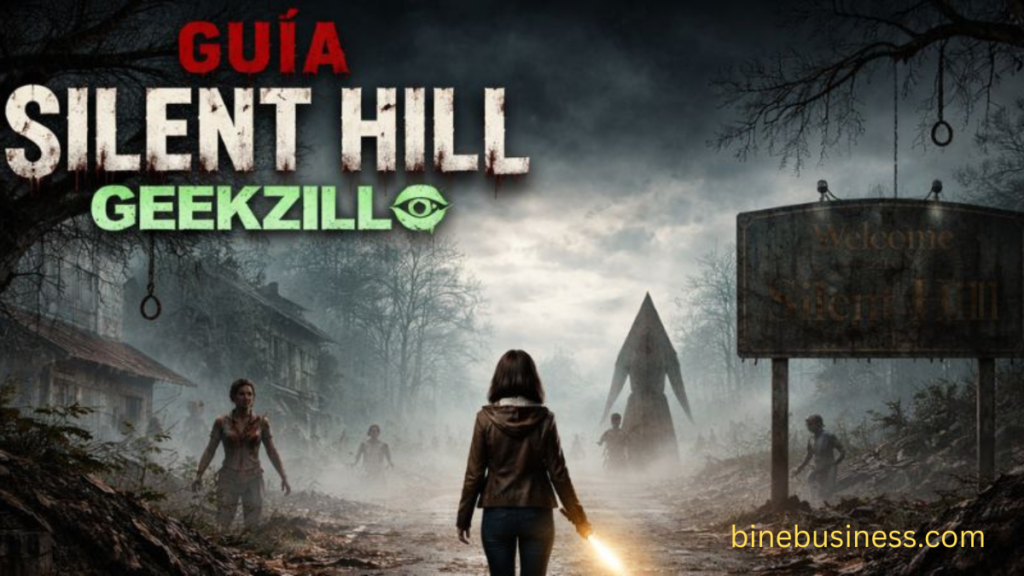
guia silent hill geekzilla first emerged during an era when horror games were still finding their identity. Instead of following the action-heavy model of its competitors, the developers chose to emphasize vulnerability, confusion, and emotional discomfort. Limited visibility through fog and darkness was initially a technical limitation, but it became one of the franchise’s most iconic features. Over time, this design philosophy shaped the identity of the entire series and influenced countless future horror titles.
As the franchise evolved, each installment experimented with new ideas while retaining core psychological elements. Earlier games focused heavily on isolation and internal guilt, while later titles explored broader themes such as social decay, morality, and personal responsibility. Gameplay mechanics shifted slightly between entries, but exploration, puzzle-solving, and atmosphere always remained central. These changes reflect both technological advancements and evolving audience expectations.
Despite inconsistent reception for some later releases, Silent Hill’s legacy remains strong. Its evolution demonstrates how horror can mature as a genre, moving beyond surface-level fear into something more reflective and disturbing. This long-term influence is a key reason why guides like Guia Silent Hill Geekzilla continue to attract attention and remain relevant today.
Storyline and Lore Explained
The storyline of guia silent hill geekzilla is intentionally fragmented, forcing players to piece together events through environmental clues, notes, and symbolic imagery. Rather than presenting a straightforward narrative, the series uses ambiguity as a storytelling tool. Each game tells a self-contained story while sharing common themes, locations, and mythological elements that connect the larger universe guia silent hill geekzilla.
At the heart of the lore is the town itself—a place that manifests psychological trauma into physical form. Silent Hill does not punish characters randomly; it reflects their guilt, fear, and unresolved pain. The shifting environments, alternate worlds, and monstrous entities are all extensions of the protagonist’s inner struggles. This approach transforms the town into a living psychological mirror rather than a traditional haunted location guia silent hill geekzilla.
The Geekzilla perspective helps readers understand that there is rarely one “correct” interpretation. Silent Hill thrives on multiple meanings, allowing players to draw personal conclusions. This layered storytelling is why the lore continues to inspire theories, discussions, and deep analysis years after the games’ release.
Main Characters and Their Psychological Depth
Characters in guia silent hill geekzilla are not heroes in the traditional sense. They are ordinary individuals burdened by trauma, loss, or guilt, which makes them deeply relatable. Instead of fighting to save the world, they are often searching for truth, redemption, or closure. This emotional vulnerability is what strengthens the psychological horror.
Each protagonist’s journey is unique, yet all are shaped by personal suffering. Their enemies are rarely random monsters; they are symbolic representations of inner conflict. This design choice reinforces the idea that the greatest threats in Silent Hill come from within. Antagonists, likewise, are complex figures whose actions are driven by distorted beliefs rather than pure evil.
Guia Silent Hill Geekzilla emphasizes character analysis as a key to understanding the series. By examining motivations, fears, and symbolism, readers gain insight into how Silent Hill uses character psychology to create fear that feels intimate and unsettling rather than exaggerated or artificial.
Gameplay Mechanics and Survival Strategies
guia silent hill geekzilla gameplay is deliberately restrictive, designed to make players feel powerless. Combat is awkward, resources are scarce, and navigation is confusing. These mechanics are intentional, reinforcing the feeling of vulnerability. Instead of empowering players, the game challenges them to survive through caution, observation, and patience.
Exploration plays a major role, rewarding curiosity rather than aggression. Puzzles often require logical thinking combined with environmental awareness, sometimes drawing on symbolism rather than direct instructions. This forces players to engage mentally, not just mechanically, which enhances immersion.
From a Geekzilla-style guide perspective, understanding gameplay philosophy is essential. Silent Hill is not about mastering combat but about adapting to uncertainty. Once players accept this mindset, the experience becomes more meaningful and far more unsettling.
Symbolism, Themes, and Hidden Meanings
Symbolism is the backbone of Silent Hill. Monsters, locations, and even sound design serve metaphorical purposes tied to guilt, repression, and emotional trauma. Religious imagery, psychological disorders, and moral consequences are recurring themes woven subtly into the environment.
Rather than explaining everything explicitly, the series encourages interpretation. This open-ended design invites players to analyze their experiences and compare perspectives. What one player sees as punishment, another may interpret as self-reflection or denial.
Guia Silent Hill Geekzilla thrives in this space of analysis. By breaking down symbols and themes, it helps readers appreciate how deeply intentional the design choices are. This symbolic richness is what elevates Silent Hill from a horror game to a psychological study.
Conclusion
Guia Silent Hill Geekzilla is more than a guide—it is a lens through which the Silent Hill series becomes clearer, richer, and more impactful. By exploring history, lore, characters, gameplay, and symbolism, this guide reveals why the franchise remains one of the most discussed in gaming history. Silent Hill’s strength lies in its ability to disturb emotionally rather than visually, leaving a lasting impression long after the game ends.
For anyone seeking to understand psychological horror at its finest, Silent Hill stands as a benchmark. With the right guide, its mysteries become not simpler, but more meaningful.