
A page size checker spellmistake is a useful SEO and web performance tool that helps website owners measure the total size of a webpage, including HTML, CSS, JavaScript, images, and other resources. This data is important because page size directly affects loading speed, user experience, and search engine rankings. In modern SEO, even small improvements in page speed can significantly increase engagement and reduce bounce rates page size checker spellmistake.
However, an interesting SEO opportunity appears when users search for this tool using incorrect spellings such as “page size cheker,” “page size chacker,” or “page size chekcer.” These misspelled keywords may look like errors, but they represent real search behavior. Many users type quickly, rely on mobile keyboards, or are unfamiliar with correct technical terms page size checker spellmistake.
Understanding and optimizing for these spellmistake keywords can help websites capture untapped organic traffic. Instead of ignoring these variations, smart SEO strategies can turn them into valuable entry points for users actively looking for page size checking tools page size checker spellmistake.
Understanding page size checker spellmistake
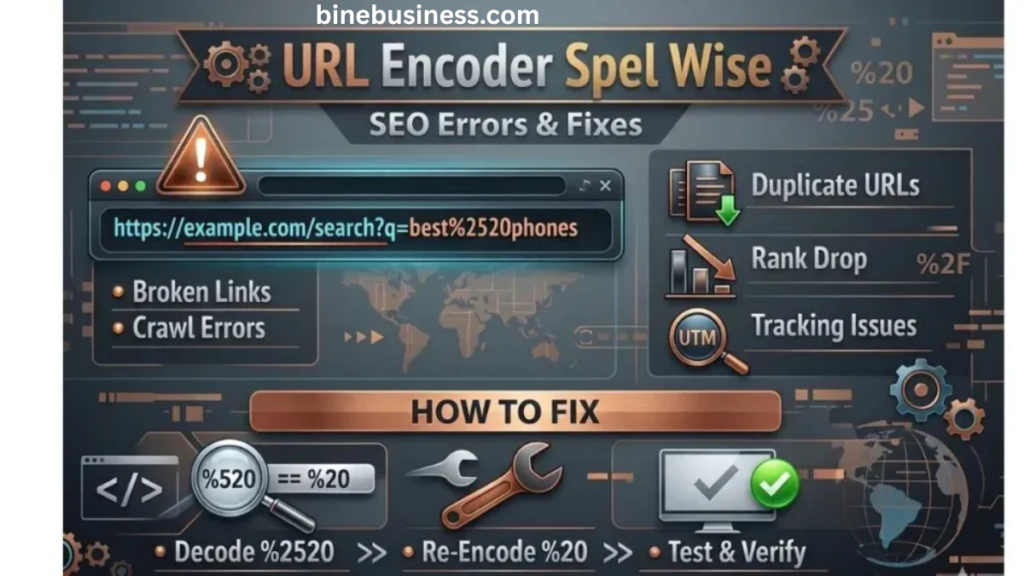
A page size checker spellmistake is a diagnostic SEO tool designed to analyze the total weight of a webpage. It breaks down all elements of a page, including text content, images, scripts, fonts, and external resources. By calculating the combined size, it helps developers and marketers understand how heavy or lightweight a webpage is page size checker spellmistake.
The importance of page size lies in its direct impact on website performance. Larger pages generally take longer to load, especially on slower internet connections or mobile devices. Search engines like Google consider page speed as a ranking factor, making page size optimization a crucial part of SEO strategy.
In addition, page size checker spellmistake help identify unnecessary elements that may slow down a website. These tools are widely used by developers, SEO professionals, and digital marketers to improve site efficiency and enhance user satisfaction. A well-optimized page not only loads faster but also provides a smoother browsing experience, leading to better engagement and higher conversions.
What Is “page size checker spellmistake” Keyword?
The term “page size checker spellmistake” refers to search queries that contain incorrect spellings of the main keyword “page size checker spellmistake.” These mistakes happen frequently due to fast typing, autocorrect errors, or lack of familiarity with technical terms. Examples include variations like “page size cheker,” “page size chacker,” and “page size chekcer.”
Search engines are intelligent enough to understand user intent behind these misspellings. Instead of ignoring them, they often display corrected results while still recognizing the original query. This creates an opportunity for SEO professionals to target these variations intentionally.
Misspelled keywords are especially common in technical niches where users may not be confident in spelling industry-specific terms. In the case of page size checker spellmistake tools, users are usually focused on solving a problem rather than spelling accuracy. This behavior makes spellmistake keywords a valuable source of organic traffic.
SEO Value of Targeting Misspelled Keywords
Targeting misspelled keywords can provide a significant SEO advantage because competition is usually lower compared to correctly spelled keywords. Most websites ignore these variations, focusing only on standard search terms. This creates an opportunity to rank more easily and capture additional traffic.
Users searching with misspellings still have clear intent. For example, someone searching “page size cheker” is likely trying to find a tool to measure webpage size. This means the traffic generated from these queries is highly relevant and can lead to strong engagement and conversions.
However, there are limitations to this strategy. Overusing misspelled keywords can make content look unprofessional or spammy if not handled carefully. The key is balance—integrating natural variations while maintaining readability and trustworthiness. When done correctly, spellmistake SEO can act as a secondary traffic stream that complements primary keyword targeting.
Common Page Size Checker Spellmistake Variations
There are several common misspellings of the keyword “page size checker” that appear in search data. Some of the most frequent variations include “page size cheker,” “page size chacker,” “page size chekcer,” and “page size checkr.” These variations often arise from keyboard proximity errors or phonetic spelling mistakes.
Long-tail keyword variations also exist, where users combine misspellings with additional phrases such as “free tool” or “online checker.” For example, “page size cheker online free” is a typical search pattern that reflects both intent and spelling error.
Identifying these variations requires keyword research tools and analysis of search console data. SEO professionals often use tools like Google Search Console, keyword planners, and analytics platforms to uncover hidden typo-based traffic opportunities. Once identified, these keywords can be strategically incorporated into content, meta descriptions, or landing pages.
How to Optimize Content for Spellmistake Keywords
Optimizing for spellmistake keywords requires a natural and user-friendly approach. The goal is not to overload content with errors but to include variations in a way that still feels readable and professional. One effective method is to include misspellings in headings or alternative text while keeping the main body content clean.
Another strategy is to combine correct and incorrect spellings together. For example, using phrases like “Page Size Cheker (Page Size Checker Tool)” helps capture both types of search queries without harming credibility. This dual approach ensures that both accurate and inaccurate searches are addressed.
It is also important to avoid keyword stuffing. Search engines prioritize content quality, so overusing misspelled terms can negatively affect rankings. Instead, focus on semantic SEO, where context and meaning are more important than exact spelling repetition.
User Experience Considerations
While targeting misspelled keywords can improve traffic, user experience must remain a top priority. Visitors who land on a page should feel confident that the content is reliable and professional, even if the keyword includes spelling variations.
To maintain trust, websites should ensure that explanations are clear and well-structured. The use of correct spelling in body content helps reinforce authority, while misspelled variations can be limited to SEO elements like titles or meta tags.
A good balance between optimization and readability ensures that users do not feel confused or misled. Ultimately, the goal is to guide users toward solving their problem—checking page size—without distracting them with unnecessary errors in presentation.
Conclusion
Page size checker spellmistake keywords represent a unique but often overlooked opportunity in SEO strategy. While they may appear as simple typing errors, they reflect real user behavior and search intent. By understanding how and why users type these misspelled queries, website owners can capture additional traffic that competitors often ignore.
However, success depends on balance. Over-optimization can harm credibility, while careful integration can enhance visibility. When used strategically, spellmistake keywords can become a powerful supplement to traditional SEO efforts, especially in technical niches like web performance tools.