The discontinuation of Vaniqa (eflornithine 13.9%) sent shockwaves through the dermatological community, leaving millions of women searching for a reliable way to manage facial hirsutism. For years, this cream was the gold standard for slowing down the growth of unwanted hair. However, the medical landscape in 2026 has evolved, offering a more holistic and robust approach that combines topical innovation with systemic hormonal management.
The Science of Hair Growth Suppression
To understand how to replace a product like Vaniqa, one must understand the enzyme it targeted: ornithine decarboxylase (ODC). This enzyme is essential for the rapid cell division that occurs within the hair follicle. By inhibiting ODC, the hair enters a “slow-motion” growth phase, making it finer, lighter, and much easier to manage with traditional removal methods like threading or waxing.
The challenge for many women is that facial hair is rarely just a “surface” issue. It is often a visible symptom of hyperandrogenism—a condition where the body is overly sensitive to male hormones like testosterone. This is why modern treatments are shifting toward a dual-action strategy: suppressing growth on the outside while balancing hormones on the inside.
Modern Topical Alternatives and Substitutes
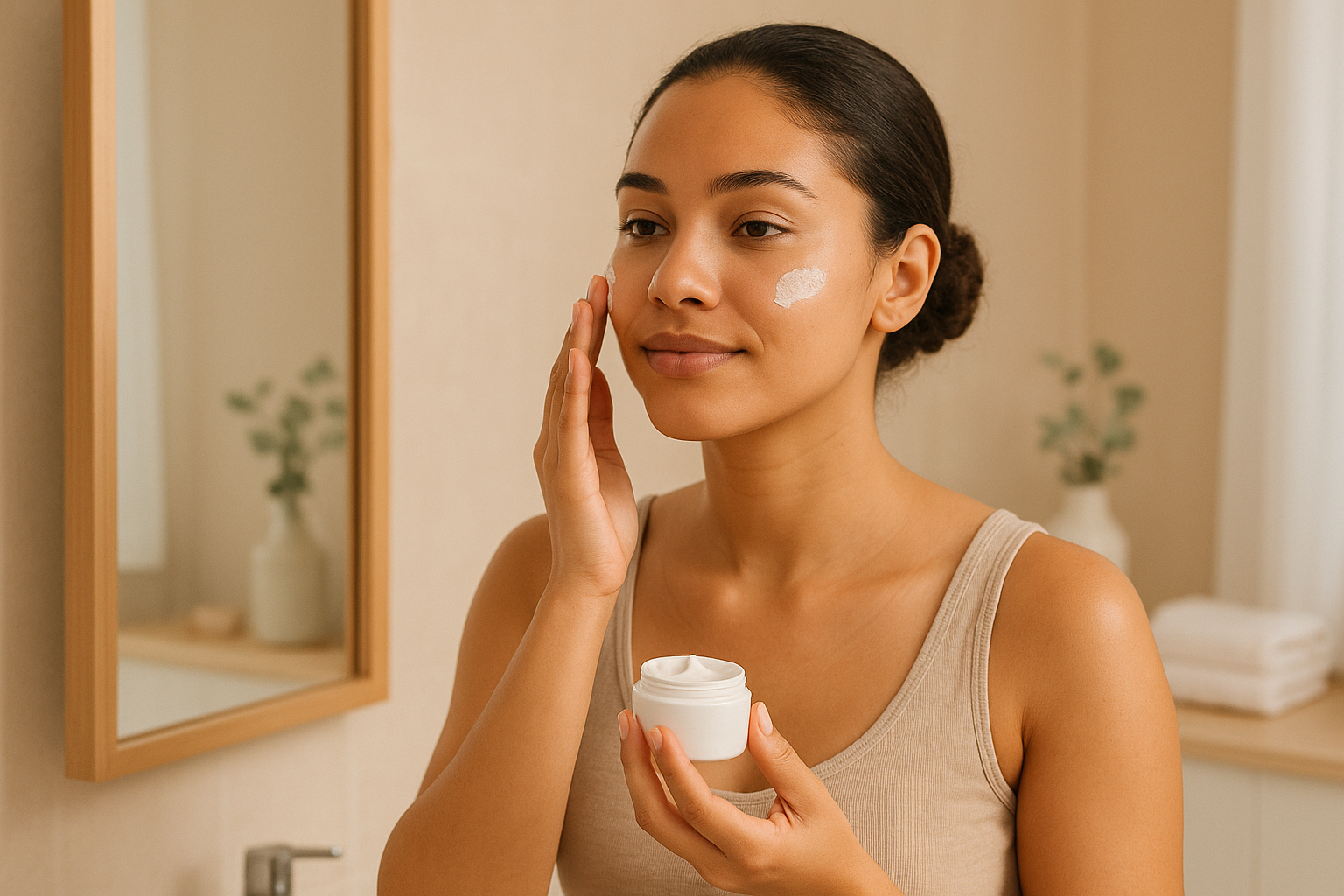
Since the original brand-name cream left the market, new formulations have emerged to fill the gap. These updated options often utilize the same active principles but are delivered in more advanced bases that improve skin absorption and reduce irritation.
For those looking for the most current clinical recommendations, it is vital to look for products specifically designed for long-term facial use. Many practitioners now point patients toward updated options for facial hair reduction, which provide a viable path for those who relied on eflornithine in the past. These products work best when integrated into a daily skincare routine, applied twice a day to the affected areas.
The Systemic Approach: Addressing the Root Cause
Dermatology in 2026 emphasizes that a cream alone is often not enough for moderate to severe cases. Clinical guidelines from authoritative bodies, such as the Endocrine Society, suggest that for women with underlying conditions like Polycystic Ovary Syndrome (PCOS), topical treatments should be paired with systemic anti-androgens.
Commonly prescribed systemic treatments include:
- Spironolactone: An androgen receptor blocker that reduces the influence of testosterone on the hair follicle.
- Combined Oral Contraceptives: These help regulate the menstrual cycle and lower the overall production of androgens in the ovaries.
- Lifestyle Interventions: Managing insulin resistance through diet and exercise has been shown to significantly decrease the severity of hirsutism over time.
Combining Technology and Topicals
For the best results, a “hybrid” approach is recommended. Clinical procedures like Laser Hair Removal or Intense Pulsed Light (IPL) are significantly more effective when used alongside a hair-growth inhibitor. The topical treatment keeps the hair in a finer state, allowing the laser to target the pigment in the follicle more effectively, leading to longer periods of smooth skin between sessions.
Patience and Consistency
The most important factor in any hair reduction journey is time. Hair follicles operate on a slow biological cycle. Whether you are using a new topical cream or starting a hormonal treatment, it typically takes 8 to 12 weeks to see a visible change in hair density. Consistency is the difference between success and failure in hair management.
Conclusion
While the loss of Vaniqa was a setback, the options available in 2026 are arguably more effective because they encourage a more comprehensive view of women’s health. By combining specialized topical replacements with professional medical advice and systemic support, achieving a smooth, confident complexion is more attainable than ever before.