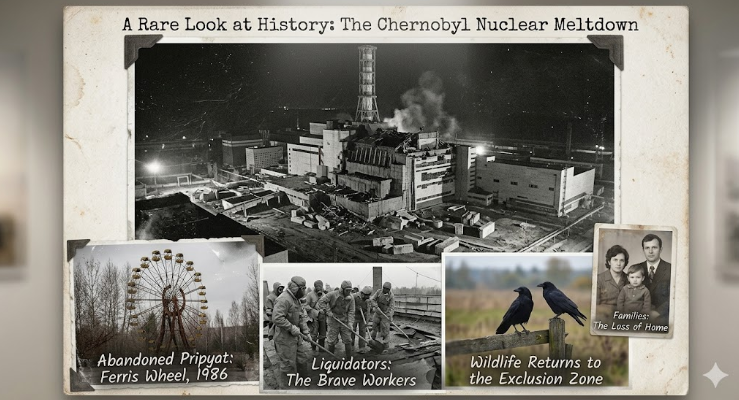
When we look at chernobyl nuclear meltdown pictures, we are doing more than just viewing old photos. We are witnessing a moment that changed the world forever. In April 1986, the No. 4 reactor at the Chernobyl Nuclear Power Plant in Ukraine exploded. It released a massive amount of radioactive material into the air. This event is known as one of the worst nuclear accidents in history. Seeing these images helps us understand the scale of the tragedy. It shows us the bravery of the workers and the sadness of the families who had to leave their homes behind.
Today, these photos serve as a powerful lesson for us all. They remind us about the power of atoms and the importance of safety. When I first studied these images, I was struck by how peaceful the city of Pripyat looks now. Nature is slowly taking over the abandoned buildings. It is a strange mix of beauty and sadness. We can learn so much by looking closely at these historical records. Let’s dive deeper into what these photos tell us about that fateful night and the years that followed.
What Really Happened at Reactor 4?
To understand chernobyl nuclear meltdown pictures, we must know what they show. The disaster happened during a safety test that went wrong. The reactor became unstable and a massive power surge caused an explosion. This blew the heavy steel lid off the reactor. In the photos taken shortly after, you can see the twisted metal and the glowing core. This was a very dangerous place to be. The radiation levels were so high that even cameras were damaged by the invisible energy.
Many photographers risked their lives to capture these moments. They wanted the world to see the truth. In the grainy, black-and-white images from 1986, you can see the smoke rising from the ruins. These pictures help scientists study how the building failed. They also show the “Elephant’s Foot,” a large mass of cooled lava-like material made of melted fuel and concrete. It is one of the most famous and dangerous things ever photographed inside the plant.
The Ghost City of Pripyat
One of the most common sights in chernobyl nuclear meltdown pictures is the city of Pripyat. This city was built for the workers of the power plant and their families. Over 49,000 people lived there before the accident. Now, it is a ghost town. Photos of the famous Ferris wheel in the amusement park are very popular. The yellow cars of the wheel stand still against the grey sky. It was supposed to open just days after the explosion happened.
When you look at these pictures, you see toys left on school floors and books rotting in libraries. It feels like time stopped on April 26, 1986. These images are “human-first” stories because they show us the lives that were interrupted. People had to leave in a hurry, thinking they would come back in three days. They never did. Today, the trees grow through the pavement, and wolves roam the streets. It is a reminder of how quickly things can change.
Key Facts About the Chernobyl Disaster
| Category | Details and Facts |
| Date of Accident | April 26, 1986 |
| Location | Chernobyl, Ukraine (formerly USSR) |
| Reactor Type | RBMK-1000 graphite-moderated |
| Cause | Design flaws and operator error during a test |
| Evacuation Zone | 30-kilometer Exclusion Zone |
| Long-term Fix | New Safe Confinement (The Sarcophagus) |
| Current Status | Tourist site and wildlife sanctuary |
Brave Heroes: The Liquidators
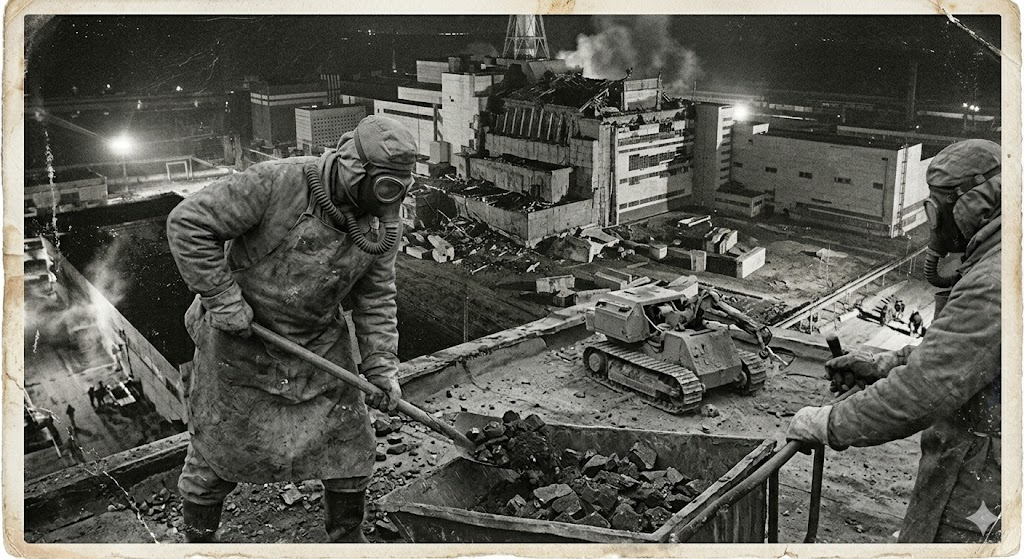
We cannot talk about chernobyl nuclear meltdown pictures without mentioning the “Liquidators.” These were the brave soldiers, firemen, and workers sent to clean up the mess. Photos show them wearing simple lead suits to protect themselves. They had to shovel radioactive debris off the roof of the reactor. Many of these men became very sick later because of the radiation. Their courage saved Europe from a much bigger disaster.
In many photos, you see these heroes working with robots. However, the radiation was so strong that the robots often broke down. Humans had to step in where machines failed. Looking at their faces in these old photos is very moving. They knew the risks, but they did their jobs anyway. These images are an important part of history because they honor the people who sacrificed everything. We owe them a lot for their hard work and bravery.
Nature Reclaims the Exclusion Zone
Interestingly, recent chernobyl nuclear meltdown pictures show a lot of green. Since humans left, nature has moved back in. The Exclusion Zone is now a giant nature reserve. You can see photos of wild horses, deer, and even bears living near the old reactor. Without people around, the animals are thriving. It is a strange silver lining to a very dark story. Scientists go there to study how radiation affects plants and animals over a long time.
Photos of “Red Forest” are also quite famous. The trees turned ginger-brown and died after soaking up high levels of radiation. But today, new plants are growing there. It shows us that Earth is very resilient. Even after a nuclear disaster, life finds a way to return. These pictures help us see the balance between human technology and the natural world. It is a beautiful yet haunting sight to see a forest growing inside an old gymnasium.
The New Safe Confinement Structure
If you look at modern chernobyl nuclear meltdown pictures, you will see a giant silver arch. This is the New Safe Confinement. It was finished in 2016 to cover the old, crumbling sarcophagus. It is the largest movable metal structure ever built. It was designed to last for 100 years. This arch keeps the radioactive dust inside so it doesn’t blow away. It is a masterpiece of modern engineering and safety.
The photos of the arch being slid into place are incredible. It shows how the whole world came together to fix a global problem. Many countries gave money and expertise to build it. When we see this silver dome, we feel a sense of relief. It means the area is much safer now than it was in the 1980s. It stands as a symbol of our commitment to protecting the environment and future generations.
Why These Pictures Matter Today
You might wonder why we still look at chernobyl nuclear meltdown pictures today. The reason is simple: we must never forget. These images teach us about nuclear physics and the dangers of cutting corners. They are used in schools to show the effects of the Cold War and the history of energy. By looking at the past, we can build a safer future. Every photo tells a story of a life, a mistake, or a triumph.
Also, these pictures help fight misinformation. They show the real, physical impact of the accident. We can see the cracked walls and the rusted machinery. This visual evidence is very important for researchers. It helps them create better safety rules for modern nuclear plants. Even though the accident was a tragedy, the photos help us make sure it never happens again. They are a vital tool for education and safety.
Safety and Tourism in the Zone
Believe it or not, many people now go to take their own chernobyl nuclear meltdown pictures. Tourism in the Exclusion Zone has become very popular. Professional guides take groups to safe areas. You can walk through the empty halls of the Pripyat hospital or stand near the reactor. Visitors must follow strict rules and wear monitors to check for radiation. It is a unique way to experience history firsthand.
Taking photos there requires respect. It is not just a cool background for a selfie; it is a site of great suffering. The best photographers focus on the quiet details, like a shoe on the ground or a peeling mural. These images help keep the memory of the disaster alive for a new generation. If you ever visit, remember to stay on the paths and listen to your guide. The zone is safer now, but it still demands our respect.
Radiation and Its Hidden Effects
One thing chernobyl nuclear meltdown pictures cannot show is the radiation itself. Radiation is invisible, but its effects are clear in the photos. You might see “static” or white spots on old film. This was caused by radioactive particles hitting the camera. In pictures of the environment, you can see how some trees grew in strange shapes. These are the physical marks of an invisible force.
Scientists use these visual clues to map out where the most “hot spots” are. They look at how the soil changed and how buildings aged under the stress of the accident. Even though we can’t see the atoms moving, the photos give us a way to track their path. This is very helpful for understanding how long radiation stays in the ground. It reminds us that some things can hurt us even if we can’t see them with our eyes.
The Legacy of the Chernobyl Photos
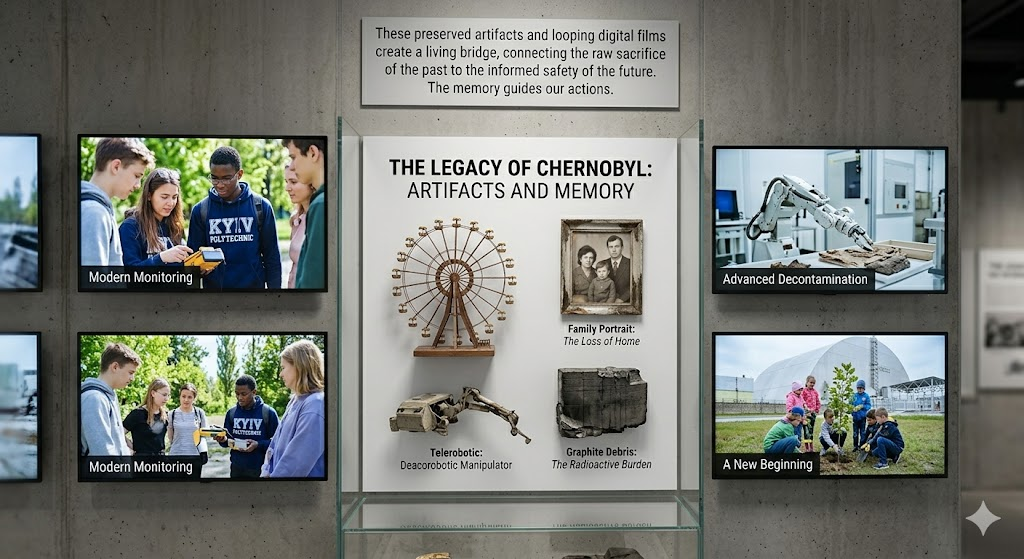
In conclusion, chernobyl nuclear meltdown pictures are a bridge between the past and the present. They capture the raw emotion of a world turned upside down. From the smoking ruins of Reactor 4 to the quiet, leafy streets of Pripyat, these images are unforgettable. They show us the worst of human error and the best of human bravery. We should look at them with curiosity and a desire to learn.
As we move forward, these photos will remain as a warning and a guide. They remind us to treat our planet with care and to always prioritize safety over speed. Thank you for taking the time to learn about this important topic with me. History is not just in books; it is in the faces and places captured in these powerful photographs. Let’s keep sharing these stories so the world stays informed and safe.
Frequently Asked Questions
1. Is it safe to look at chernobyl nuclear meltdown pictures?
Yes, looking at photos is perfectly safe! The radiation that affected the original film cannot hurt you through a screen or a book.
2. Why are some of the old photos so grainy?
The radiation at the site was so strong that it actually damaged the film inside the cameras. This created “noise” or grain that you see in the pictures.
3. Can I take my own photos at Chernobyl today?
Yes, tourists are allowed to take pictures in most parts of the Exclusion Zone. However, there are some high-security areas where photography is banned.
4. What is the most famous photo from Chernobyl?
The photo of the “Elephant’s Foot” inside the basement of the reactor is very famous. Also, images of the Pripyat Ferris wheel are recognized all over the world.
5. Are the colors in the photos real?
Most modern photos show the real colors of the zone. Older photos from 1986 were often black and white or have faded over time, giving them a yellow tint.
6. Do the pictures show people living there?
While the city is empty, some photos show “Samosely” or self-settlers. These are mostly older people who chose to move back to their original homes in the zone.