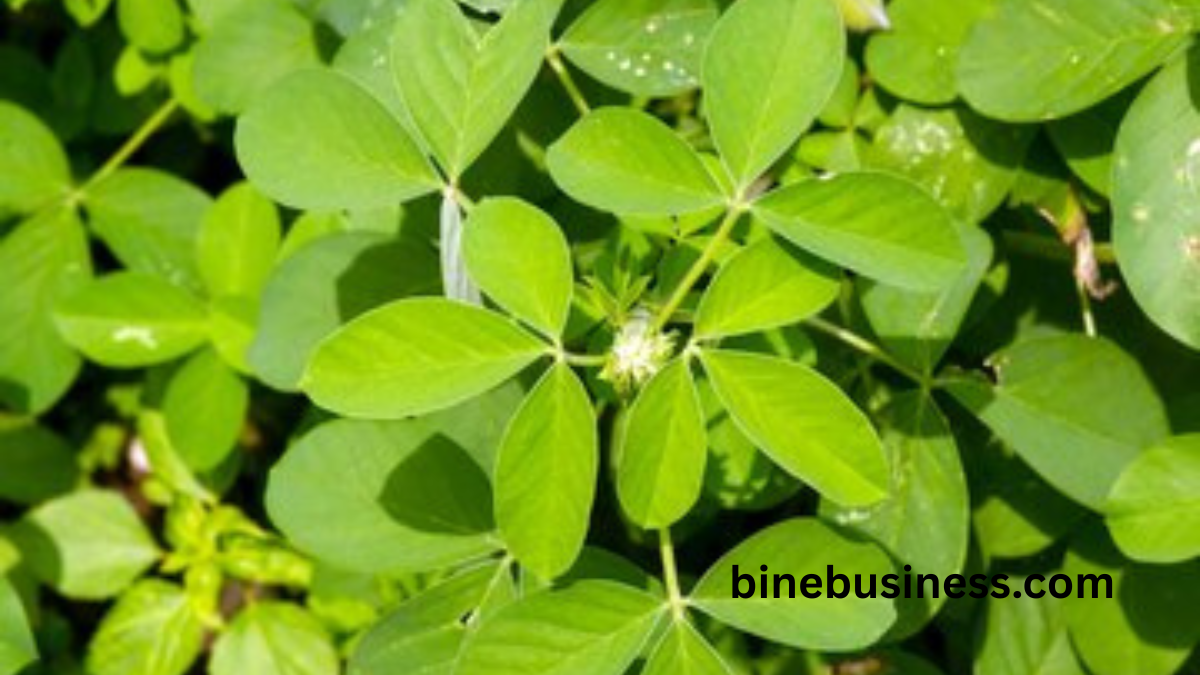
Chipilin is a nutrient-rich leafy green plant widely valued in traditional cooking and herbal practices. It is especially popular in Central American cuisine, where its tender leaves add flavor and nutrition to soups, stews, and tortillas. Over time, interest in chipilin has expanded beyond regional use as more people discover its health benefits and culinary versatility.
Scientifically known as Crotalaria longirostrata, chipilin belongs to the legume family. The plant thrives in warm climates and grows as a shrub with soft green leaves. Its unique taste, often described as slightly earthy with a hint of nuttiness, makes it stand out among other leafy greens. Because it is easy to grow and highly nutritious, many home gardeners and health-conscious individuals are now cultivating it.
Chipilin holds cultural importance in countries like Guatemala, El Salvador, and southern Mexico. Traditional recipes often feature as a key ingredient in comfort foods passed down through generations. Today, chefs and food enthusiasts are exploring new ways to incorporate into modern dishes. Its increasing popularity reflects a growing awareness of natural foods that support overall wellness.
Another reason chipilin attracts attention is its accessibility. The plant does not require complicated farming methods and can grow in home gardens with proper care. As people search for sustainable and healthy food sources, stands out as a practical and beneficial choice for daily cooking.
Nutritional Profile and Health Benefits of Chipilin
Chipilin is packed with essential nutrients that contribute to better health. Its leaves contain important vitamins such as vitamin A, vitamin C, and several B vitamins. It also provides minerals like calcium, iron, and magnesium. These nutrients support vital body functions and promote long-term wellness.
The antioxidant content in plays a significant role in protecting the body from harmful free radicals. Antioxidants help reduce oxidative stress, which is linked to chronic diseases and aging. Regular consumption of nutrient-dense greens like can strengthen the immune system and improve overall resistance to infections.
Digestive health is another key benefit of chipilin. The plant contains natural fiber that supports healthy digestion and helps prevent constipation. Fiber also promotes gut health by feeding beneficial bacteria in the digestive tract. Including in meals can contribute to better nutrient absorption and smoother digestion.
In addition, chipilin supports bone strength because it contains calcium and magnesium. These minerals are essential for maintaining strong bones and teeth. People who consume leafy greens regularly often experience improved bone density over time. For individuals who follow plant-based diets serves as a valuable source of essential minerals.
Overall, adding chipilin to a balanced diet can enhance nutritional intake without adding excessive calories. Its natural composition makes it suitable for people who aim to maintain weight while improving overall health. Whether used in soups or mixed into other dishes, delivers both flavor and nutrition.
Culinary Uses and Popular Chipilin Recipes
Chipilin is widely appreciated for its versatility in cooking. In traditional Central American cuisine, it is commonly used in soups, tamales, and pupusas. The leaves are usually chopped and mixed into dough or broth to enhance flavor and nutrition. Its mild taste blends well with beans, corn, cheese, and meats.
One of the most popular dishes featuring is chipilin soup. This comforting meal often includes vegetables, chicken broth, and fresh chipilin leaves. The combination creates a rich and nourishing dish that is both satisfying and healthy. Many families prepare it during special occasions or as a daily comfort meal.
Chipilin is also used in tamales, where the leaves are mixed into the masa dough. This adds color, flavor, and nutrients to the traditional recipe. The result is a soft and aromatic dish that highlights the natural qualities of the plant. Some modern chefs experiment with in pasta dishes, omelets, and even smoothies for creative twists.
When cooking with, it is important to use fresh leaves whenever possible. Fresh leaves preserve more nutrients and deliver a stronger flavor. Light cooking methods such as steaming or adding the leaves toward the end of cooking help retain their nutritional value.
Pairing with protein-rich foods enhances its health benefits. Combining it with beans, eggs, or lean meat creates balanced meals that support muscle growth and energy levels. As culinary innovation continues, chipilin is finding its place in both traditional and contemporary kitchens.
Growing and Harvesting Chipilin
Growing chipilin at home is relatively simple if the right conditions are provided. The plant thrives in warm climates with plenty of sunlight. It prefers well-drained soil and moderate watering to grow healthy and strong. Gardeners often plant it during warm seasons to ensure proper development.
To grow, seeds should be planted in soil that receives direct sunlight for most of the day. Regular watering is important, but overwatering should be avoided because it can damage the roots. With proper care, the plant grows quickly and produces fresh leaves within a few weeks.
Maintenance involves removing weeds and ensuring the soil remains nutrient-rich. Adding organic compost can improve plant growth and increase leaf production. Chipilin plants generally require minimal fertilizers, making them easy to maintain in home gardens or small farms.
Harvesting should be done carefully by picking the tender leaves. Frequent harvesting encourages the plant to produce more foliage. The best time to harvest is when the leaves are young and bright green, as they contain higher nutrient levels.
Common pests may include insects that feed on leaves. Natural pest control methods such as neem oil or manual removal can help protect the plant. With proper care and attention, chipilin can provide a steady supply of fresh leaves for cooking throughout the growing season.
Potential Side Effects and Precautions
Although chipilin offers many health benefits, it should be consumed in moderation. Excessive intake of any food can lead to unwanted effects. Some individuals may experience mild allergic reactions if they are sensitive to legumes or related plants.
People with specific medical conditions should consult a healthcare professional before adding large amounts of to their diet. Since the plant contains natural compounds, moderation is key to safe consumption. Proper cooking also helps reduce the risk of digestive discomfort.
It is recommended to follow reasonable daily intake guidelines rather than consuming excessive portions. Including chipilin as part of a balanced diet ensures that its benefits are maximized without causing strain on the body.
Fresh chipilin leaves should be stored in a cool place or refrigerated to maintain freshness. Proper storage prevents spoilage and preserves nutrients. Washing the leaves thoroughly before cooking removes dirt and impurities.
By taking simple precautions, individuals can enjoy safely while benefiting from its nutritional value and culinary versatility.
Conclusion
Chipilin is a powerful example of how traditional plants continue to provide modern health and culinary benefits. Its rich nutritional profile, combined with its versatility in cooking, makes it a valuable addition to daily meals. From soups and tamales to innovative dishes, chipilin enhances both taste and nutrition.
Growing chipilin at home is practical and rewarding, especially for those who value sustainable food sources. With minimal care, the plant produces fresh leaves that support a healthy lifestyle. While moderation is important, its overall benefits make it worth exploring.
As more people discover natural and plant-based foods stands out as a nutrient-dense green with deep cultural roots and growing global appeal.
Frequently Asked Questions (FAQs)
What is chipilin used for?
Chipilin is used mainly in cooking to add flavor and nutrients to soups, tamales, and traditional dishes.
Is chipilin safe to eat daily?
Yes, in moderate amounts it is safe and nutritious for regular consumption.
How do you cook chipilin properly?
Wash the leaves thoroughly and add them to dishes during cooking to preserve nutrients and flavor.
Can chipilin be grown at home?
Yes, it grows well in warm climates with sunlight and well-drained soil.
What are the main health benefits of chipilin?
It supports digestion, strengthens bones, boosts immunity, and provides essential vitamins and minerals.
Also Read: guadalajara airport