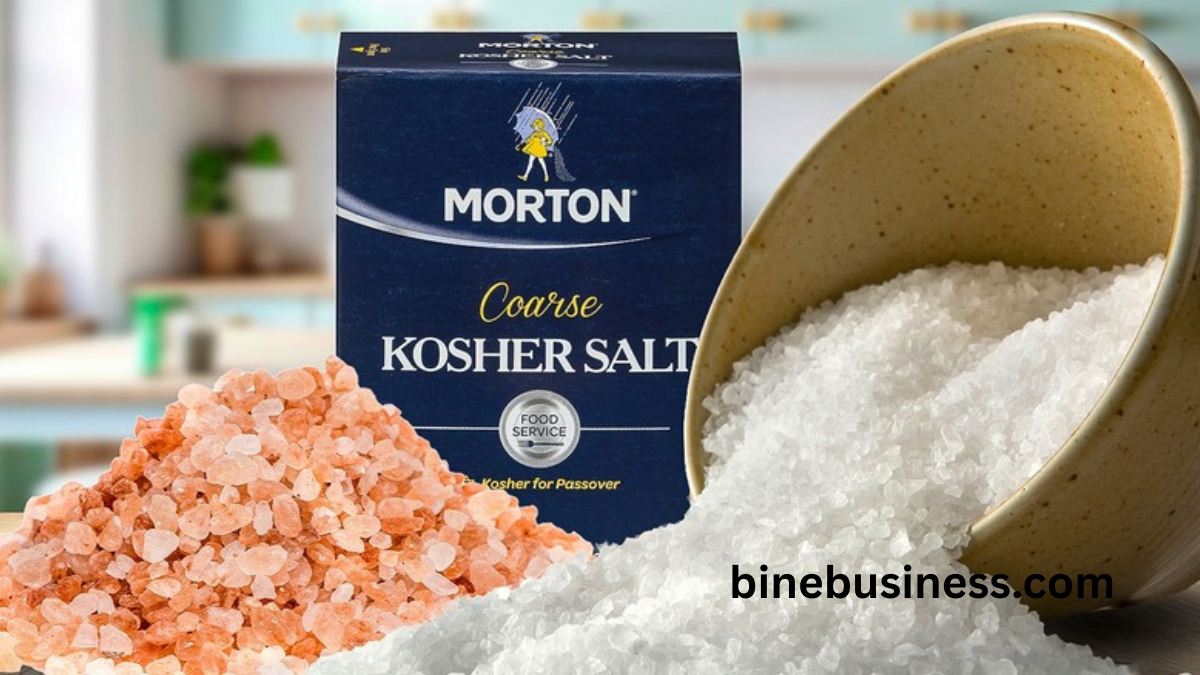
Coarse kosher salt has become a staple ingredient in both home kitchens and professional cooking environments. Its larger crystal size, clean taste, and natural texture make it different from ordinary table salt. Many chefs and home cooks prefer it because it offers better control during seasoning and dissolves at a steady pace, allowing flavors to develop more naturally in food.
This type of salt is not just about seasoning. It plays an important role in food preparation, brining, curing, and even food preservation. Unlike refined salts that often contain additives, coarse kosher salt typically contains fewer processing agents and no iodine. That makes it a preferred choice for those who want a pure flavor profile in their dishes.
Understanding how it works and why it matters can improve cooking results significantly. From grilling meats to enhancing vegetables and baking recipes, coarse kosher salt adds depth and balance. Its versatility is one reason it continues to grow in popularity across different cuisines and cooking styles.
What Is Coarse Kosher Salt?
Coarse kosher salt is a natural salt product known for its large, irregular crystals and clean mineral taste. It is called “kosher” not because it is certified kosher by default, but because it meets the traditional requirements used in kosher meat preparation. The larger grains make it easier to draw out blood from meat during the koshering process.
The composition of this salt mainly includes sodium chloride, similar to other salts. However, it usually does not contain additives like iodine or anti-caking agents. The absence of these additives gives it a purer taste and makes it suitable for chefs who want better flavor control. The grain structure also allows it to dissolve more gradually compared to finely ground salt.
Production of coarse kosher salt typically involves evaporation of saltwater or mining from underground salt deposits. After extraction, it is processed to achieve its coarse texture. The final product is screened and packaged without heavy refining. This method preserves its natural characteristics while ensuring consistent crystal size for culinary use.
Its texture and size also affect measurement. Because the crystals are larger, a teaspoon of coarse kosher salt contains less sodium by volume than a teaspoon of fine table salt. This difference is important when following recipes. Proper understanding of its structure helps prevent over-salting and ensures balanced seasoning in dishes.
Benefits and Uses of Coarse Kosher Salt
Coarse kosher salt offers multiple benefits in cooking and food preparation. One of its main advantages is better control over seasoning. The larger crystals make it easy to sprinkle evenly over meat, vegetables, or other ingredients. This improves distribution and prevents sudden salt concentration in one area.
In cooking and food preparation, it is commonly used for seasoning meat before grilling or roasting. The coarse texture helps it stick to surfaces and gradually penetrate the meat. It is also widely used for brining poultry, pork, and seafood. Brining with coarse kosher salt enhances moisture retention and improves flavor depth. Many professional chefs rely on it for consistent results.
Baking is another area where this salt plays an important role. While fine salt dissolves quickly in dough, coarse kosher salt may need more time to dissolve. However, when measured correctly, it balances sweetness and strengthens overall taste in bread, cookies, and pastries. Some bakers even sprinkle it on top of baked goods for texture contrast and visual appeal.
From a professional kitchen perspective, coarse kosher salt offers practical advantages. Chefs prefer it because it is easy to pinch by hand, allowing quick seasoning adjustments during cooking. Its non-uniform crystals make it less likely to oversalt food accidentally. Health-wise, it contains similar sodium levels to other salts, so moderation remains essential regardless of the type used.
Coarse Kosher Salt vs Other Salt Types
When comparing coarse kosher salt with table salt, the main difference lies in texture and additives. Table salt usually contains iodine and anti-caking agents, while coarse kosher salt often does not. The grains in table salt are finely ground, which makes it dissolve faster but also increases sodium concentration per teaspoon.
Compared to sea salt, coarse kosher salt is typically more consistent in crystal size. Sea salt can vary in texture and mineral content depending on its source. Some people prefer sea salt for its natural origin and subtle flavor variations. However, for precise cooking measurements and consistent results, coarse kosher salt provides better reliability.
Himalayan pink salt is another popular alternative. It contains trace minerals that give it a pink color and slightly different taste profile. However, those minerals exist in very small amounts and do not significantly change nutritional value. In practical cooking, coarse kosher salt often performs better for seasoning and baking because of its predictable grain structure.
Each salt type has its strengths. The choice depends on the recipe and cooking method. For grilling, brining, and general kitchen use, coarse kosher salt remains one of the most versatile options. Understanding these differences helps cooks select the right salt for the right purpose.
Buying Guide and Storage Tips
Choosing high-quality coarse kosher salt requires attention to packaging and brand reputation. Look for products that list sodium chloride as the main ingredient and avoid unnecessary additives. Many trusted brands offer consistent crystal size and clean taste.
Packaging also matters. Salt should come in moisture-resistant packaging to prevent clumping. Some brands sell it in resealable bags or containers, which makes storage easier. Reading product labels ensures you understand whether the salt contains additives or anti-caking agents.
Proper storage extends shelf life and maintains quality. Keep coarse kosher salt in an airtight container and store it in a dry place away from humidity. Moisture exposure can cause clumping and reduce texture consistency. Although salt does not spoil easily, maintaining dry conditions preserves its usability and appearance.
Cost and availability vary by region. It is commonly available in supermarkets, wholesale stores, and online marketplaces. Bulk purchasing may reduce cost for restaurants or frequent users. Comparing prices and checking product reviews can help buyers find reliable options without overspending.
Creative and Practical Uses Beyond Cooking
Beyond seasoning food, coarse kosher salt has practical uses around the home. It works effectively as a natural food preservative when used in curing meat or fish. The coarse texture helps draw out moisture and slow bacterial growth, contributing to traditional preservation methods.
It also serves household cleaning purposes. Its abrasive crystals can help scrub stubborn stains from cookware, cutting boards, and kitchen surfaces. When combined with lemon or vinegar, it becomes a natural cleaning solution for removing grease and buildup.
In food presentation, some chefs use coarse kosher salt for decorative plating. Sprinkling a few crystals over finished dishes adds texture and visual contrast. It can enhance the appearance of grilled steaks, roasted vegetables, or even desserts when used thoughtfully.
These creative applications demonstrate how versatile this ingredient can be. It is not limited to basic seasoning but extends to preservation, cleaning, and presentation tasks as well.
Conclusion
Coarse kosher salt stands out as a practical and versatile ingredient in modern cooking. Its large crystals, clean flavor, and ease of use make it a favorite among professional chefs and home cooks alike. From seasoning meat to improving baked goods and supporting food preservation, its applications cover a wide range of culinary needs.
Understanding its differences from other salt types helps in choosing the right option for specific recipes. Proper storage and careful measurement ensure consistent results. Whether used in daily cooking or specialized food preparation, coarse kosher salt remains a reliable kitchen essential.
Frequently Asked Questions (FAQs)
What makes coarse kosher salt different from table salt?
It has larger crystals, no additives in most cases, and offers better control during seasoning.
Can coarse kosher salt be used for baking?
Yes, but it dissolves slower, so accurate measurement is important for balanced flavor.
Is coarse kosher salt healthier than regular salt?
It contains similar sodium levels but usually lacks additives like iodine.
How should coarse kosher salt be stored?
Store it in an airtight container in a dry place to prevent moisture absorption and clumping.
Where is coarse kosher salt commonly used?
It is widely used in cooking, brining, grilling, food preservation, and even household cleaning tasks.
Also Read: deep fry pics