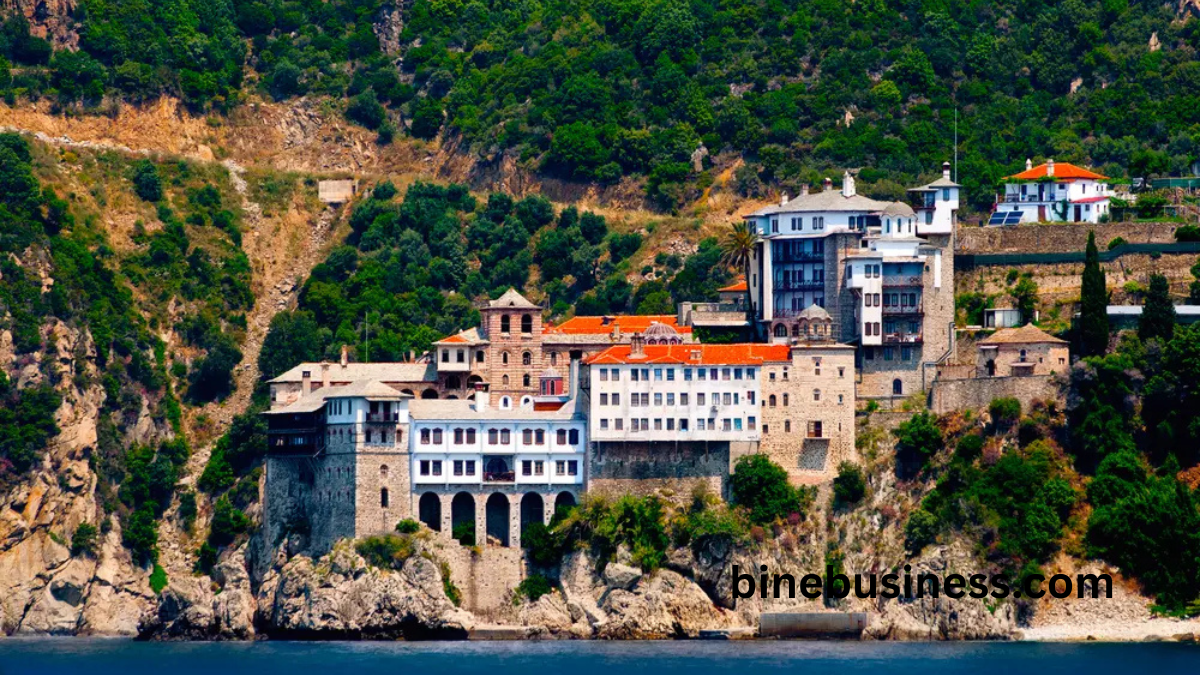
Oros Athos stands as one of the most spiritually significant places in the world. Located on a remote peninsula in northern Greece, this sacred mountain is home to centuries-old monasteries, deep-rooted traditions, and a monastic community that preserves Orthodox Christian heritage. For believers and history enthusiasts alike, Oros Athos represents faith, discipline, and continuity in a rapidly changing world.
Geographically, Oros Athos rises from the Aegean Sea with dramatic landscapes, dense forests, and rugged cliffs. The isolation of the region has helped protect its spiritual atmosphere and cultural legacy. Visitors often describe the area as peaceful and timeless, where nature and devotion coexist in harmony.
Historically, the roots of monastic life on date back to the early centuries of Christianity. Over time, monks established communities that grew into powerful spiritual centers. Byzantine emperors supported these monasteries, granting them protection and privileges. This strong historical foundation helped Oros Atho’s survive invasions, political changes, and social transformations while maintaining its sacred identity.
Today, Oros Athos remains a living religious center rather than just a historical site. Thousands of pilgrims visit each year to experience its spiritual environment, explore its monasteries, and connect with centuries of faith. Its importance goes beyond tourism. It symbolizes dedication, prayer, and preservation of sacred tradition.
History and Spiritual Importance of Oros Athos
The history of Oros Athos is deeply connected to the development of Orthodox Christianity. Monastic settlements began forming in the early medieval period as monks sought isolation to dedicate their lives to prayer and reflection. Over time, small hermit communities transformed into organized monasteries that became influential spiritual centers.
During the Byzantine era, Oros Athos gained significant support from emperors and religious leaders. Imperial protection allowed monasteries to expand and flourish. Donations, land grants, and religious authority strengthened its position as a spiritual stronghold. Many important theological writings, religious icons, and manuscripts were preserved within its walls.
The spiritual importance of Oros Athos lies in its uninterrupted monastic tradition. For more than a thousand years, monks have followed strict daily routines centered on prayer, fasting, and communal worship. This continuity makes it one of the oldest surviving monastic communities in the world. Sacred relics, ancient churches, and preserved manuscripts reflect its deep spiritual roots.
Oros Athos also played a key role in defending Orthodox faith during periods of conflict and religious change. Monasteries served as centers of education, theology, and spiritual guidance. Even today, they continue to influence Orthodox communities globally. The spiritual authority of Oros Athos remains strong because it represents authenticity and devotion rooted in tradition.
Monasteries and Monastic Life on Oros Athos
Monasteries are the heart of Oros Athos. There are twenty main monasteries, each with its own history, architectural style, and spiritual significance. These monasteries function as independent religious communities governed by traditional rules and shared beliefs. Some of the most famous include Great Lavra, Vatopedi, and Iviron.
Architecturally, the monasteries reflect Byzantine design combined with local influences. Thick stone walls, fresco-covered chapels, and defensive towers characterize many buildings. Inside, visitors can find sacred icons, ancient manuscripts, and priceless religious artifacts. The artistic details displayed in wall paintings and wood carvings demonstrate centuries of devotion and craftsmanship.
Monastic life on Oros Athos follows a strict and disciplined routine. Monks wake early for prayer services, participate in communal worship, and dedicate time to manual labor. Prayer is central to their daily life. Silence, reflection, and spiritual study shape their environment. Many monks also engage in gardening, icon painting, writing, and preserving ancient texts.
Each monastery maintains its own library and treasury. These collections include rare manuscripts, historical documents, and holy relics that attract scholars from around the world. The preservation of these treasures ensures that religious history remains protected for future generations.
Rules governing monastic life are carefully followed. Visitors must respect silence, dress modestly, and follow guidelines established by the community. This structure preserves the sacred atmosphere and protects the spiritual identity of Oros Athos.
Visiting Oros Athos: Travel Guide and Regulations
Visiting Oros Athos requires preparation and permission. Unlike typical tourist destinations, access is regulated to preserve its religious environment. Travelers must obtain a special permit known as a “diamonitirion” before entering the peninsula. This document allows limited entry for pilgrims and visitors.
Access restrictions are part of the tradition that protects monastic life. Women are not permitted to enter Oros Athos according to long-standing religious rules. Male visitors must apply in advance and plan their visit carefully. The permit process typically involves contacting the relevant authorities and submitting identification details.
The best time to visit Oros Athos is during spring and autumn when the weather is mild and travel conditions are comfortable. Summer months can be busy with pilgrims, while winter may bring challenging weather conditions. Planning ahead ensures a smoother experience.
Transportation to Oros Athos usually begins from nearby towns on the mainland. Boats and ferries connect visitors to different ports along the peninsula. From there, travel continues by foot, bus, or monastery transport depending on the location. Roads and walking paths connect major monasteries.
Visitors are expected to follow cultural etiquette. Modest clothing, respectful behavior, and silence inside churches are essential. Photography may be restricted in certain areas. Observing these guidelines shows respect for the spiritual traditions of the community.
Natural Beauty and Environment of Oros Athos
Beyond its spiritual importance, Oros Athos is also known for its natural beauty. The peninsula features dense forests, rocky mountains, and clear coastal waters. This combination of landscapes creates a peaceful environment that enhances its spiritual atmosphere.
The region is home to diverse flora and fauna. Ancient trees, wildflowers, birds, and small wildlife species thrive in protected natural habitats. Because development is limited, the ecosystem remains relatively untouched compared to other parts of Europe. Conservation efforts help maintain this balance.
Scenic trails allow visitors to explore forests, hills, and seaside views. Hiking between monasteries offers opportunities to experience both nature and spirituality simultaneously. Many pilgrims walk long distances as part of their religious journey, reflecting and praying along the way.
Environmental protection is important on Oros Athos. Monasteries actively participate in sustainable practices to preserve land and resources. Waste management, controlled construction, and responsible tourism contribute to conservation. Protecting nature ensures that future generations can experience the same peaceful environment.
Cultural Impact and Global Significance of Oros Athos
Oros Athos holds global importance for Orthodox Christianity. Its spiritual influence extends far beyond Greece. Pilgrims, theologians, and religious scholars from many countries visit to seek guidance and study its traditions.
The pilgrimage tradition strengthens its cultural impact. Visitors travel to pray, attend services, and connect with monastic life. Many people view the journey as a spiritual transformation. Religious tourism contributes to awareness while maintaining respect for sacred rules.
International recognition highlights its heritage value. Oros Athos is listed as a UNESCO World Heritage Site because of its historical, architectural, and spiritual significance. This status emphasizes the need to preserve its unique identity.
In modern society, Oros Athos continues to represent spiritual stability. While technology and lifestyle patterns evolve, the monastic community maintains its commitment to prayer and tradition. Its influence inspires individuals seeking simplicity and deeper meaning.
Challenges and Future of Oros Athos
Like many historic institutions, Oros Athos faces modern challenges. Balancing tradition with contemporary pressures requires careful management. Increasing visitor interest must be controlled to prevent disruption of monastic life.
Preserving ancient buildings and artworks demands continuous restoration efforts. Aging structures require maintenance, skilled craftsmanship, and financial support. Protecting manuscripts and relics also involves advanced conservation methods.
Another challenge involves demographic changes. The number of monks fluctuates over time, and attracting new members to monastic life requires dedication and spiritual commitment. Ensuring continuity depends on encouraging younger generations to preserve traditions.
Despite these challenges, the future of Oros Athos remains strong. Its deep-rooted faith, structured governance, and global recognition support its long-term preservation. With careful planning and respect for tradition, it will continue to stand as a symbol of spiritual heritage.
Conclusion
Oros Athos is more than a geographic location. It is a living spiritual community with centuries of history, faith, and tradition. Its monasteries preserve sacred knowledge, its landscapes inspire reflection, and its monastic life reflects devotion.
From its historical foundations to its modern significance, Oros Athos continues to influence believers and visitors worldwide. Protection of its environment and traditions ensures that its spiritual legacy remains intact for future generations.
Frequently Asked Questions (FAQs)
What is Oros Athos known for?
It is known for its ancient monasteries and deep spiritual significance in Orthodox Christianity.
Can women visit Oros Athos?
No, women are not allowed to enter according to traditional religious rules.
How do I get permission to visit Oros Athos?
Visitors must obtain a special permit called a diamonitirion before traveling.
What are the main monasteries on Oros Athos?
Famous monasteries include Great Lavra, Vatopedi, and Iviron.
Is Oros Athos open to tourists year-round?
Yes, but access is regulated, and visitors must follow permit requirements and seasonal conditions.
Also Read: kent island