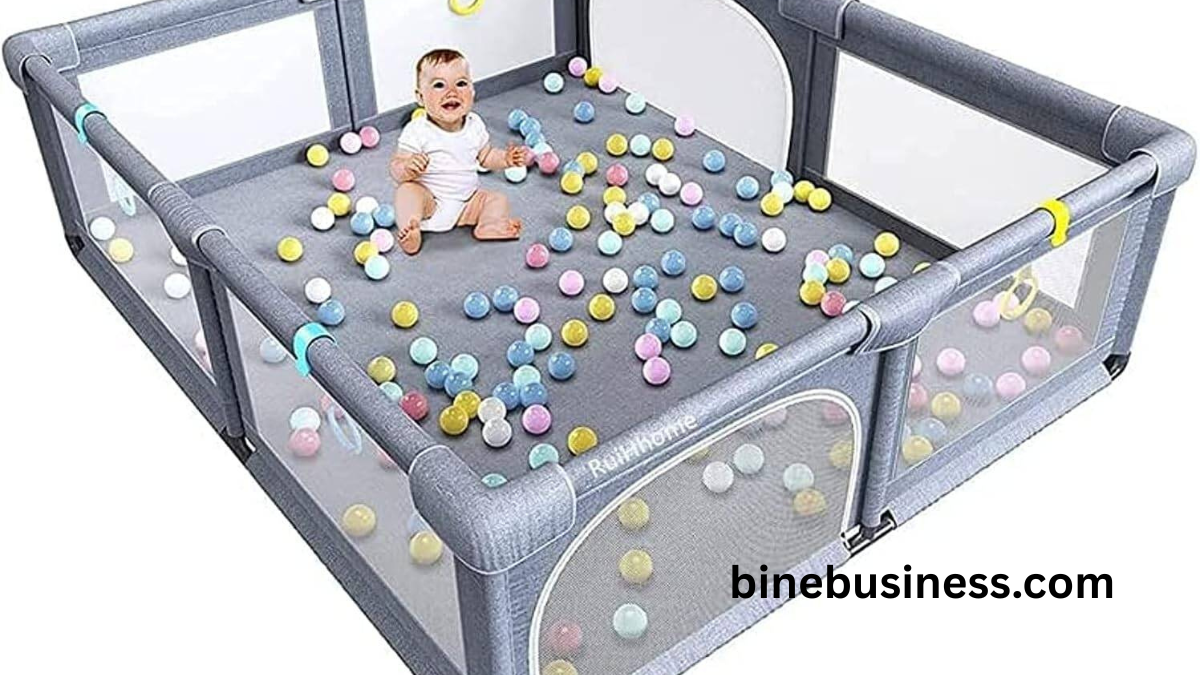
A playpen is one of the most practical tools parents can use to create a safe and controlled environment for babies and toddlers. It acts as a dedicated space where children can explore, play, and rest while parents handle daily tasks without constant worry. Modern playpens come in various designs, sizes, and materials, making it easier for families to find options that match their home setup and lifestyle.
Safety is the primary reason parents invest in a playpen. Young children are naturally curious and tend to move around quickly, reaching for objects or exploring areas that may pose risks. A well-designed playpen creates a secure boundary that reduces accidents and gives caregivers peace of mind. At the same time, it allows babies to develop independence through supervised play.
Beyond safety, also support early development. They provide space for babies to practice crawling, standing, and moving freely within a protected environment. Many models include interactive features like toys or activity panels that stimulate sensory skills and motor coordination. In short, a combines safety, convenience, and developmental benefits into one essential parenting product.
Types of Playpens
Indoor Playpens
Indoor playpens are designed for home use and are among the most popular choices for parents. They are typically made from durable plastic, metal frames, or soft mesh materials. These fit comfortably in living rooms, bedrooms, or play areas and create a designated safe zone for children.
The advantage of indoor models is their stability and long-term durability. Many options include non-slip bases, secure locking systems, and breathable mesh sides that allow parents to monitor their child easily. Some designs also come with padded floors for added comfort during playtime or short naps.
Indoor are ideal for families who want a permanent or semi-permanent safe space for their child. They reduce the need to constantly baby-proof every corner of the house. With the right setup, parents can keep daily routines smooth while ensuring their child stays protected and entertained.
Outdoor Playpens
Outdoor playpens are built to withstand different weather conditions and outdoor surfaces. They are commonly used in gardens, patios, parks, or during family gatherings. These often feature stronger frames and materials designed to handle sunlight exposure and uneven ground.
Safety is especially important for outdoor use. Parents should ensure the playpen has secure anchoring systems and sturdy construction to prevent tipping. UV-resistant fabric and breathable mesh are common features that protect children while allowing fresh air circulation.
Outdoor playpens give children a safe space to enjoy nature while staying under supervision. They encourage physical movement and exploration in a controlled environment. For families who spend time outdoors frequently, this type becomes a practical and valuable investment.
Portable and Travel Playpens
Portable playpens are lightweight and easy to fold, making them perfect for travel and temporary setups. Families who visit relatives, travel often, or move between locations benefit greatly from this design. These models usually come with carrying bags for convenience.
The key advantage of portable is flexibility. Parents can quickly set them up in hotels, friends’ homes, or vacation rentals. Despite being lightweight, many portable versions maintain strong safety standards and secure locking systems.
Although they may not always offer the same level of durability as heavy-duty models, portable playpens provide excellent convenience. They ensure that children always have a familiar and safe play area, even outside their home environment.
Wooden vs Plastic vs Fabric Playpens
Wooden playpens are known for their durability and classic appearance. They are strong, stable, and often used for long-term home setups. However, they may be heavier and less portable compared to other materials.
Plastic are lightweight and easy to clean. They usually come in modular designs that allow parents to adjust size and shape. Plastic models are convenient but require regular inspection to check for cracks or loose parts.
Fabric often feature metal frames with soft mesh walls. They are lightweight, portable, and safe for indoor use. Many parents prefer fabric designs because they are comfortable and easy to store.
Each material has advantages and limitations. Choosing the right one depends on budget, lifestyle, and intended usage.
Key Features to Consider When Buying a Playpen
When selecting a safety certifications should be the top priority. Look for products that meet recognized safety standards and have secure locking systems. Strong frame construction and stable bases reduce the risk of accidents.
Size and space requirements also matter. Measure the available area in your home before purchasing. A playpen should fit comfortably without blocking movement or furniture. Adjustable models offer flexibility for growing children and changing room layouts.
Portability and storage convenience are important for families who travel. Folding mechanisms, lightweight materials, and compact designs make daily handling easier. Some models include wheels or carry bags for extra convenience.
Material quality determines durability and long-term performance. Breathable mesh sides improve visibility and airflow, allowing parents to monitor their child at all times. Additional features like attached toys, activity panels, or padded mattresses enhance comfort and engagement.
Finally, check the gate system and locking mechanism. Secure doors prevent children from opening the playpen independently. A reliable locking system ensures maximum safety during use.
Benefits of Using a Playpen
A playpen provides a secure environment where babies can explore without constant supervision. Parents can focus on household chores, work tasks, or personal time while knowing their child is safe nearby.
Independent play is another major advantage. When placed in a with toys and interactive objects, children learn to entertain themselves. This practice builds confidence, creativity, and problem-solving skills from an early age.
Playpens also reduce the risk of accidents. Instead of exploring unsafe areas like kitchens or staircases, children remain within a protected boundary. This significantly lowers the chances of injuries caused by sharp objects or dangerous items.
From a developmental perspective encourage motor skill improvement. Babies practice standing, crawling, and grasping while staying safe. The structured space supports physical growth and sensory stimulation.
Overall, a playpen combines safety and development into one practical solution for modern parenting.
Safety Tips for Using a Playpen
Proper placement of the playpen inside the home is essential. Keep it away from windows, heaters, sharp furniture edges, or electrical outlets. A flat and stable surface ensures better balance.
Avoid overcrowding the with excessive toys, pillows, or blankets. Too many items may create hazards or limit movement. Simple and safe play environments work best for young children.
Regular inspection helps maintain safety standards. Check for loose screws, damaged mesh, broken parts, or weak locking systems. Immediate repairs or replacements prevent potential risks.
Age-appropriate usage is also important. Follow manufacturer guidelines regarding weight limits and recommended age ranges. Supervision is still necessary, even when children are inside a secure playpen.
By following these safety practices, parents can maximize protection and functionality.
How to Clean and Maintain a Playpen
Cleaning depends on the material. Fabric and mesh can usually be wiped with mild soap and water. Removable covers may be machine washable, but always check product instructions first.
Wooden and plastic surfaces should be cleaned with non-toxic disinfectants. Avoid harsh chemicals that may damage materials or leave harmful residues. Regular cleaning keeps the hygienic and safe.
For maintenance, inspect frames and connectors frequently. Tighten loose screws and replace damaged parts immediately. Proper storage when not in use increases lifespan.
Folding the playpen correctly and storing it in a dry place prevents moisture damage and mold growth. Routine care ensures long-term durability and performance.
Playpen Buying Guide for Different Age Groups
Playpens for newborns focus on comfort and close supervision. Soft padding, breathable materials, and gentle designs are essential for this stage.
For infants, interactive features become important. Toys, activity boards, and sensory elements support cognitive development while encouraging movement.
Toddlers require stronger and taller to prevent climbing. Adjustable heights and secure locking systems are beneficial for active children.
Growing models that adjust size or convert into larger play areas provide long-term value. Choosing a design that adapts to different stages saves money and effort.
Conclusion
A playpen is a practical investment for families who want safety, convenience, and developmental support in one product. It creates a protected environment where children can explore freely while parents manage daily responsibilities.
With different types available, including indoor, outdoor, and portable options, families can choose based on their lifestyle and space requirements. Paying attention to safety features, material quality, and proper maintenance ensures long-term usability.
Selecting the right improves home safety and supports early childhood growth. It remains one of the most useful tools for modern parenting.
Frequently Asked Questions
What is the best age to use a playpen?
A playpen is suitable from newborn stage up to toddler years, depending on size and safety limits.
Are playpens safe for overnight sleep?
Most are not designed for long-term overnight sleep unless specifically approved for that purpose.
How long can a baby stay in a playpen daily?
Short supervised periods are recommended. Avoid leaving children inside for extended hours.
What size playpen is best for small apartments?
Compact and foldable models work best for limited spaces.
Do playpens help in child development?
Yes, they support motor skills, independence, and safe exploration.
How do I choose the safest playpen for my baby?
Check safety certifications, secure locking systems, strong materials, and proper size for your home.
Also Read: sergio sendel