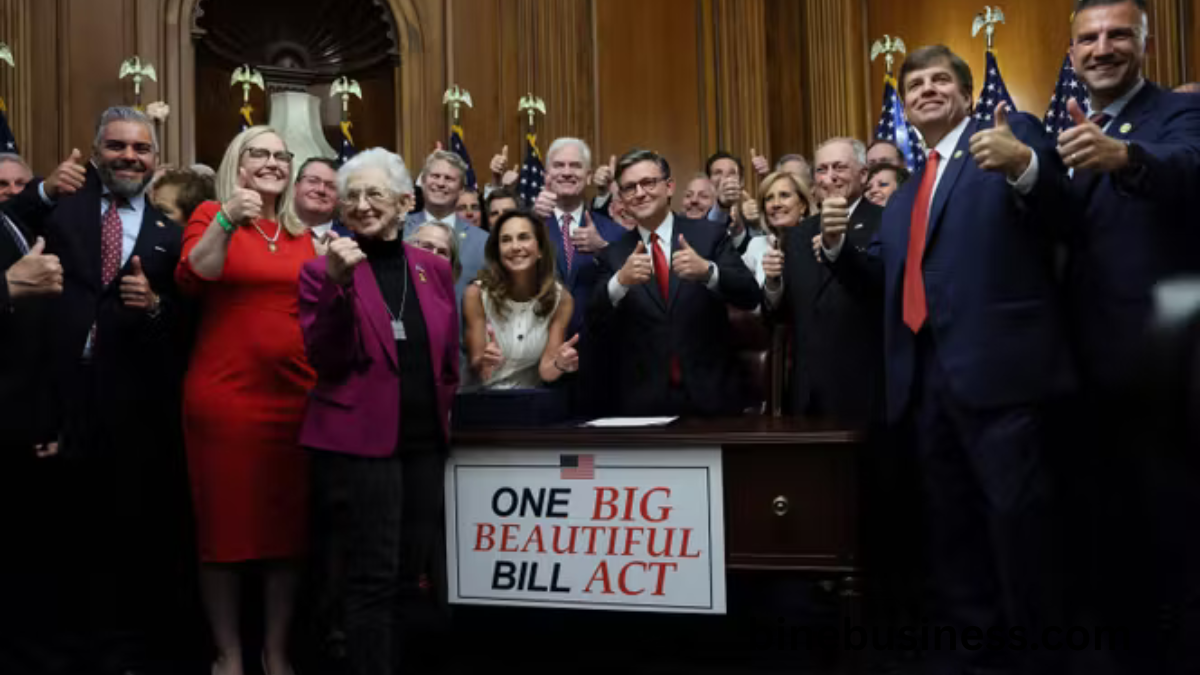
A spending bill is one of the most important financial tools used by governments to manage public funds and allocate resources across different sectors. It outlines how money collected through taxes and other revenue sources will be distributed to government departments, public services, and development programs. Without a properly structured spending bill, national financial planning would lack direction and transparency. It plays a central role in ensuring that public money is used efficiently and in alignment with policy priorities.
Governments rely on spending bills to maintain operations and support essential services such as healthcare, education, defense, and infrastructure. Each fiscal year, lawmakers review financial needs and propose allocations based on economic conditions and national priorities. This process ensures that public funds are directed toward areas that promote growth and stability. The spending bill acts as a roadmap for managing expenditures while balancing public demands with available revenue.
Beyond budgeting, the spending bill also reflects political decisions and policy goals. Different administrations may prioritize certain sectors depending on economic challenges or development strategies. As a result, the content of a spending bill often becomes a subject of debate and negotiation. Understanding its purpose helps citizens and businesses recognize how government financial decisions directly influence daily life and long-term development.
Key Components of a Spending Bill
A spending bill consists of detailed financial allocations assigned to various government departments and programs. One of its core components is funding distribution for public institutions responsible for delivering essential services. These allocations determine how much support sectors such as healthcare systems, public schools, transportation networks, and law enforcement agencies receive. Proper funding ensures smooth operations and improved service quality.
Another major element includes investment in infrastructure and economic development projects. Governments allocate funds for building roads, bridges, digital infrastructure, and public facilities to stimulate economic growth. Infrastructure spending creates jobs and enhances connectivity between regions. When managed effectively, these investments generate long-term benefits for businesses and communities while strengthening national competitiveness.
Defense spending, social welfare programs, and emergency reserves also form critical parts of a spending bill. Funds are set aside to maintain national security, support vulnerable populations, and respond to unexpected crises such as natural disasters or economic downturns. Additionally, financial planning within the bill includes projected revenue sources and deficit management strategies. By balancing expenditures with income projections, policymakers aim to maintain fiscal stability and avoid excessive debt accumulation.
The Process of Passing a Spending Bill
The journey of a spending bill begins with careful planning and proposal drafting by government authorities and financial experts. Budget committees and policymakers analyze economic data, revenue forecasts, and public needs before preparing the initial draft. This stage involves evaluating funding priorities and estimating future financial requirements. Accurate analysis at this point determines how effectively resources will be distributed.
After drafting, the bill undergoes committee reviews and amendments. Lawmakers examine each allocation and suggest adjustments based on political discussions and expert recommendations. Debates often take place to address concerns about funding cuts, increased spending, or reallocation of resources. These discussions ensure transparency and allow different viewpoints to influence the final structure of the bill.
Once revisions are completed, the bill moves toward voting and approval. Legislative members vote to either accept or reject the proposal. If approved, it is sent to the executive authority for final endorsement and implementation. In cases where disagreements arise or approval is delayed, temporary funding measures may be introduced to keep government operations running. The process highlights the importance of collaboration between branches of government in managing public finances.
Impact of the Spending Bill on the Economy
A spending bill significantly influences economic growth and financial stability within a country. Government expenditures directly affect job creation, business expansion, and public infrastructure development. When funds are invested in construction projects, research programs, or public services, economic activity increases and employment opportunities expand. This ripple effect contributes to overall national development.
Inflation, taxation, and market confidence are also connected to spending decisions. Large-scale spending without sufficient revenue may lead to budget deficits and increased borrowing. Over time, excessive deficits can create pressure on currency value and interest rates. Policymakers must carefully balance investment needs with fiscal responsibility to prevent negative economic consequences.
Businesses and individuals feel the impact of spending bills through changes in public services and regulatory policies. Increased investment in infrastructure improves logistics and trade efficiency, benefiting companies. Meanwhile, expanded social programs enhance community welfare and support vulnerable groups. Long-term financial implications depend on how effectively funds are managed and whether spending aligns with sustainable economic strategies.
Challenges and Controversies Surrounding Spending Bills
Spending bills often face political disagreements and negotiation challenges before approval. Different political parties and interest groups may have conflicting priorities regarding how funds should be allocated. These debates sometimes delay the approval process and create uncertainty around government operations. Reaching consensus requires compromise and strategic discussion among lawmakers.
Budget deficits and national debt concerns frequently spark controversy. Critics argue that excessive spending without corresponding revenue growth can increase financial risks. Supporters, however, believe strategic investment is necessary for development and crisis management. Transparency and accountability are essential to address public concerns and ensure responsible financial management.
Another challenge arises when delays in passing the spending bill lead to temporary funding gaps. In extreme cases, government shutdowns may occur if no agreement is reached. Such disruptions can affect public services, employee salaries, and administrative operations. To avoid these risks, governments often implement short-term funding extensions while continuing negotiations.
Conclusion
The spending bill is a fundamental instrument that shapes how governments manage public finances and allocate resources. It determines funding priorities for essential services, infrastructure development, national security, and social programs. Through structured planning and legislative review, it ensures that public money is distributed in alignment with national goals.
Although the process involves debates and challenges, the spending bill plays a crucial role in maintaining economic stability and supporting growth. Effective financial planning within the bill can reduce fiscal risks and enhance transparency. As economic conditions evolve, spending policies must adapt to new demands while maintaining responsible budgeting practices.
Frequently Asked Questions (FAQs)
What is a spending bill?
A spending bill is a government document that outlines how public funds are allocated to different departments and programs.
Who approves the spending bill?
It is approved by the legislative body and signed by the executive authority before implementation.
How often is a spending bill passed?
Most spending bills are passed annually based on the government’s fiscal year, though temporary extensions may occur.
What happens if a spending bill is not approved?
Temporary funding measures may be introduced, and in some cases, government operations can face partial shutdowns.
Why is the spending bill important?
It ensures funding for essential services, supports economic development, and maintains financial stability within a country.
Also Read: vergil columbia